
“When we say we have lost our connection to nature, we’ve lost our connection to ourselves.” — Andy Goldsworthy
By working in natural settings, children connect with the rhythms of life and experience learning as a living, holistic process. As they observe plants, feel the earth, move barefoot outdoors, and witness seasonal changes, they naturally engage their head, heart, and hands.
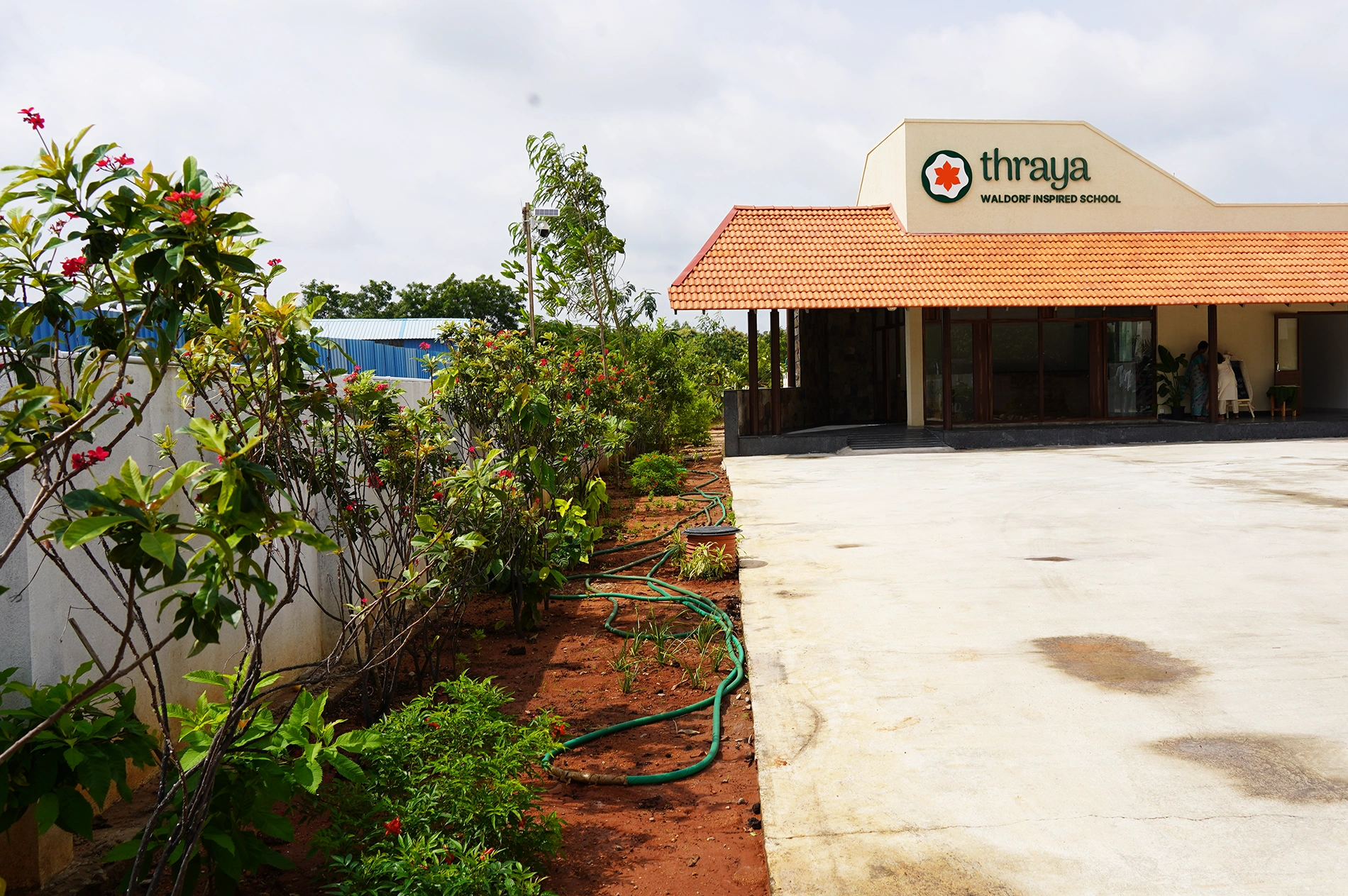
This is why we at Thraya believe that nature is the first and most essential classroom. For this reason, our campus is also intentionally designed around soil, sunlight, and greenery, allowing children to learn directly from the living world. Here, nature is not merely a backdrop; it actively shapes how children grow, explore, and come to understand the world.
Campus and Curriculum Designed with Nature at its Heart
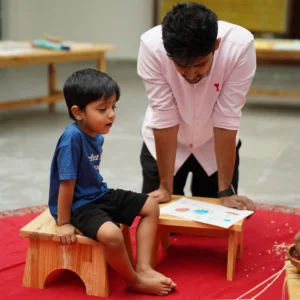
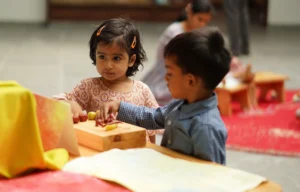
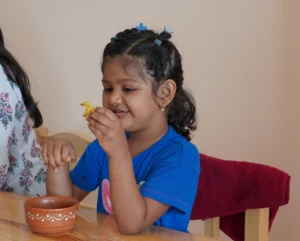
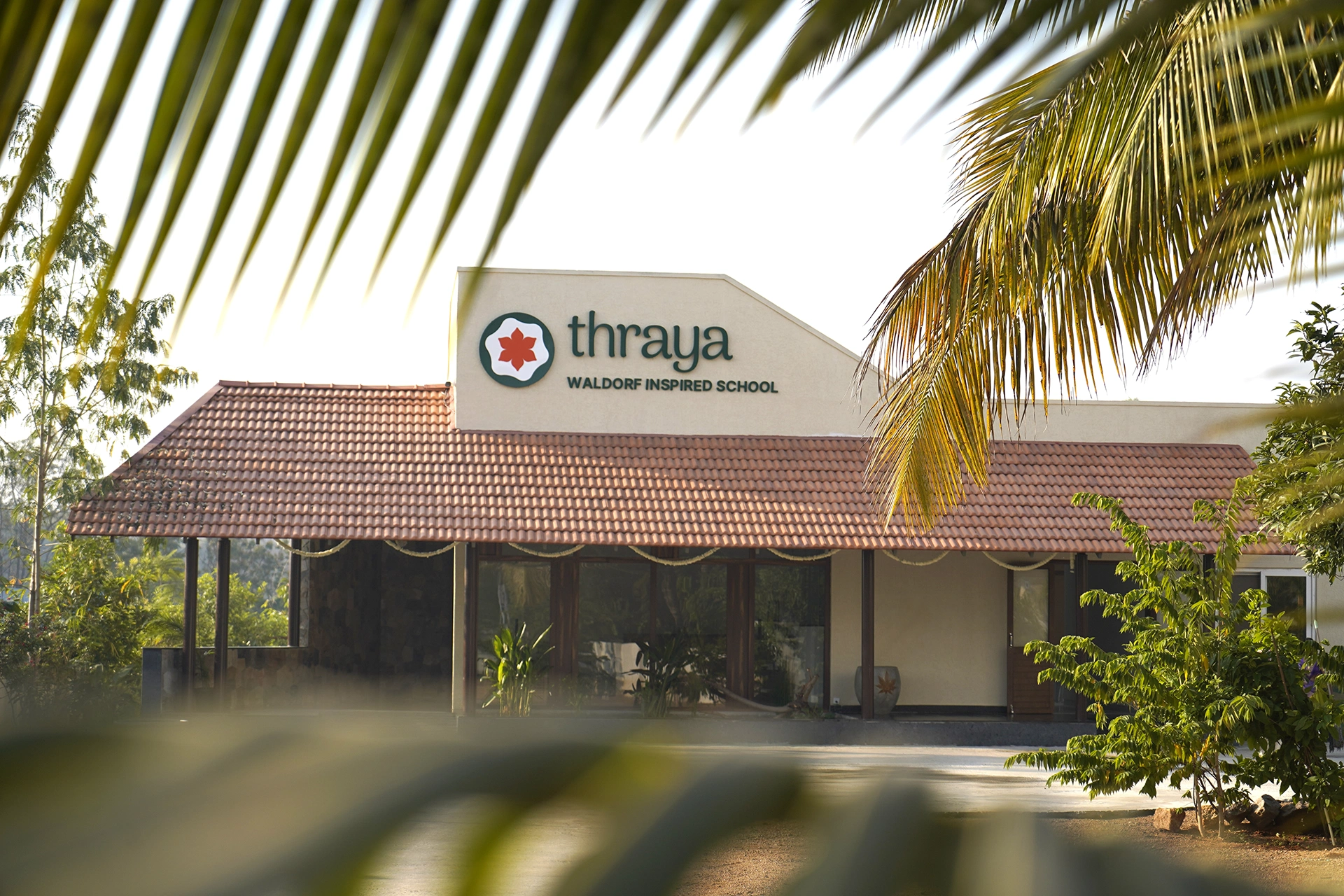
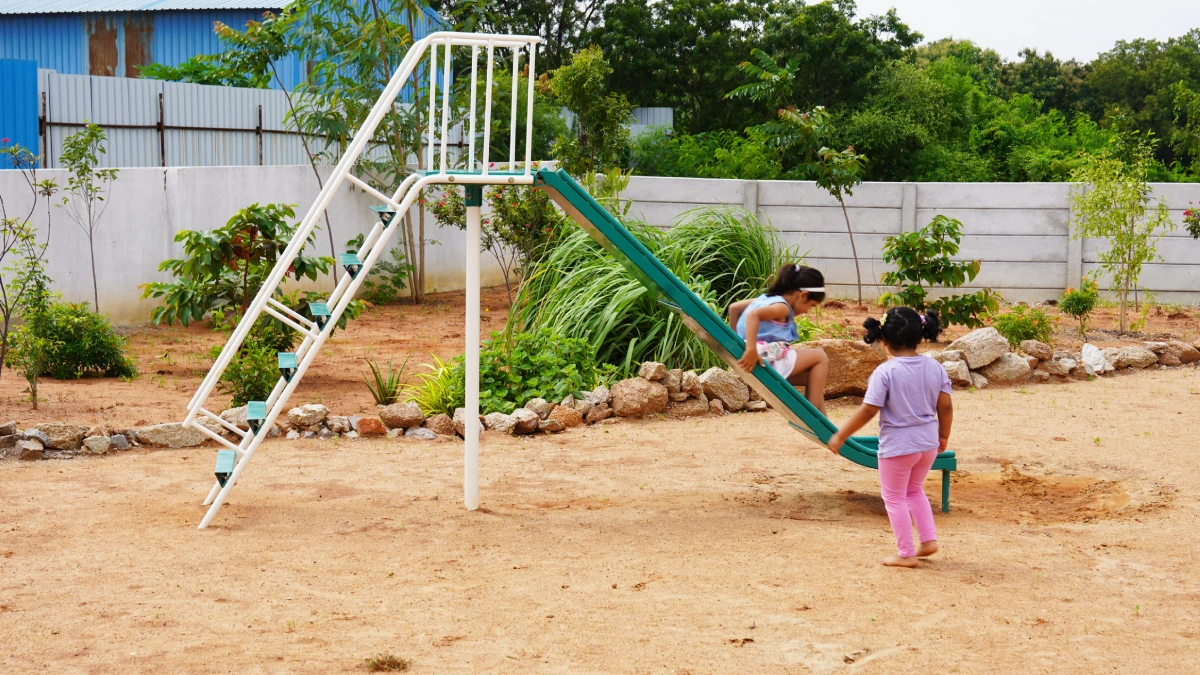
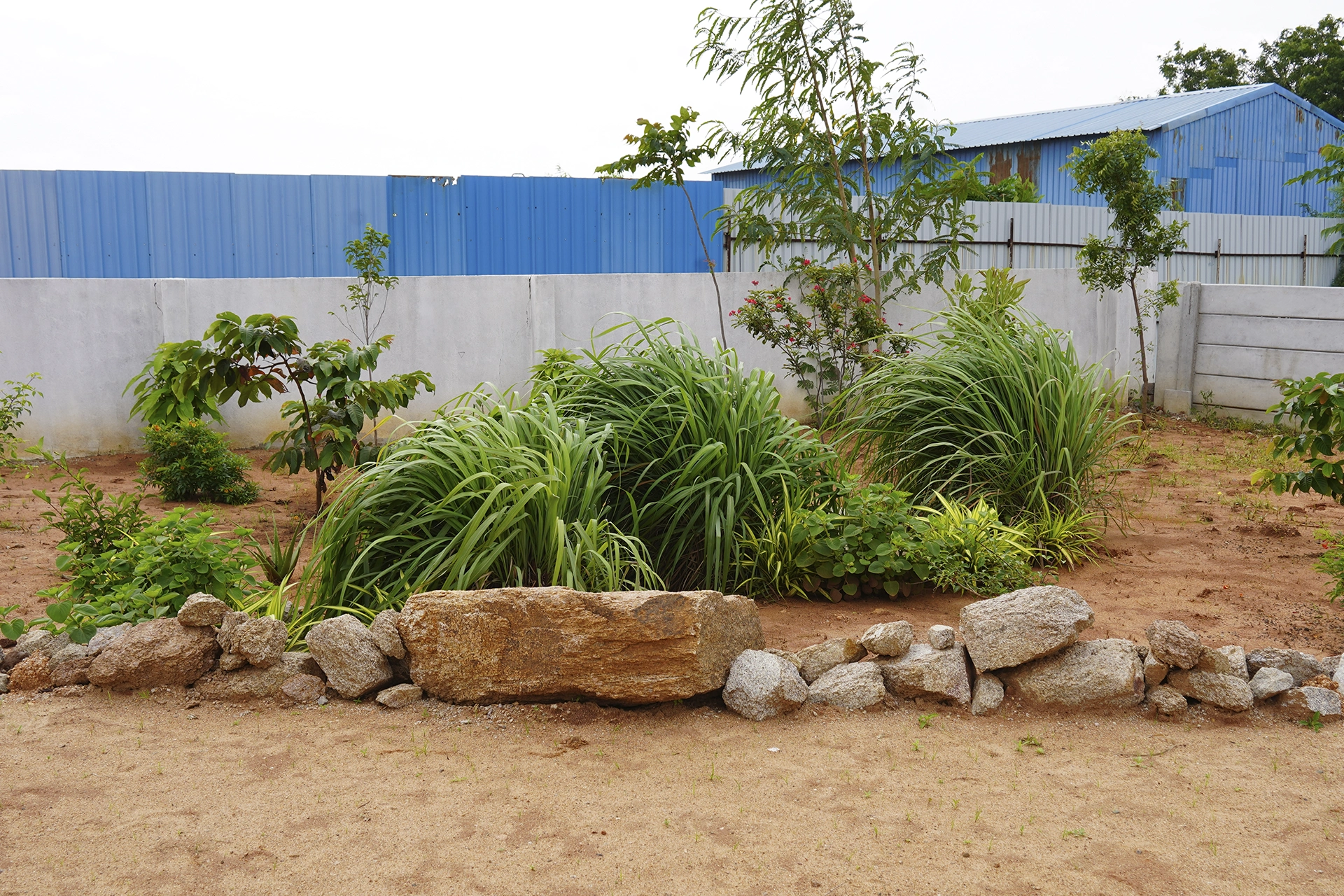
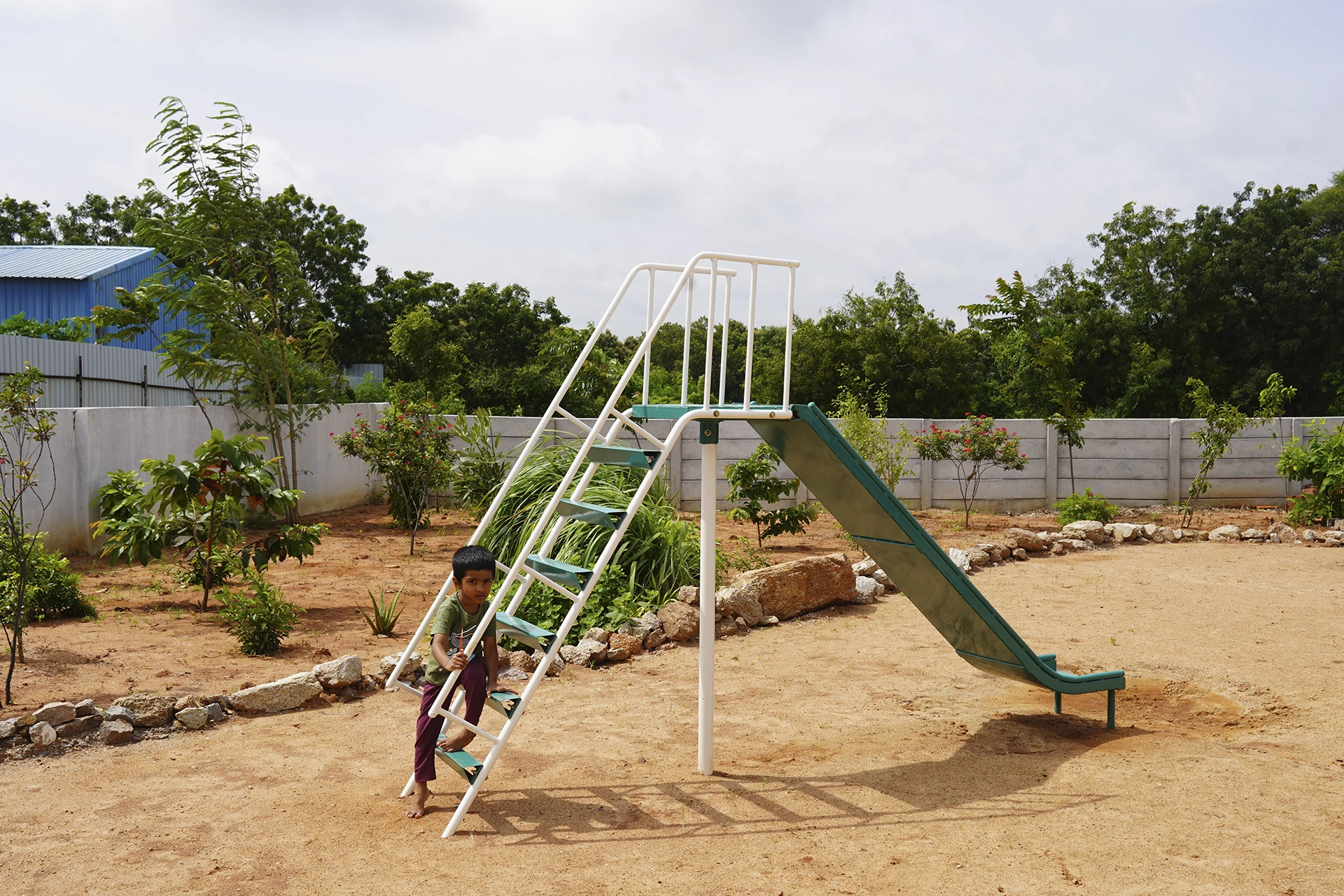
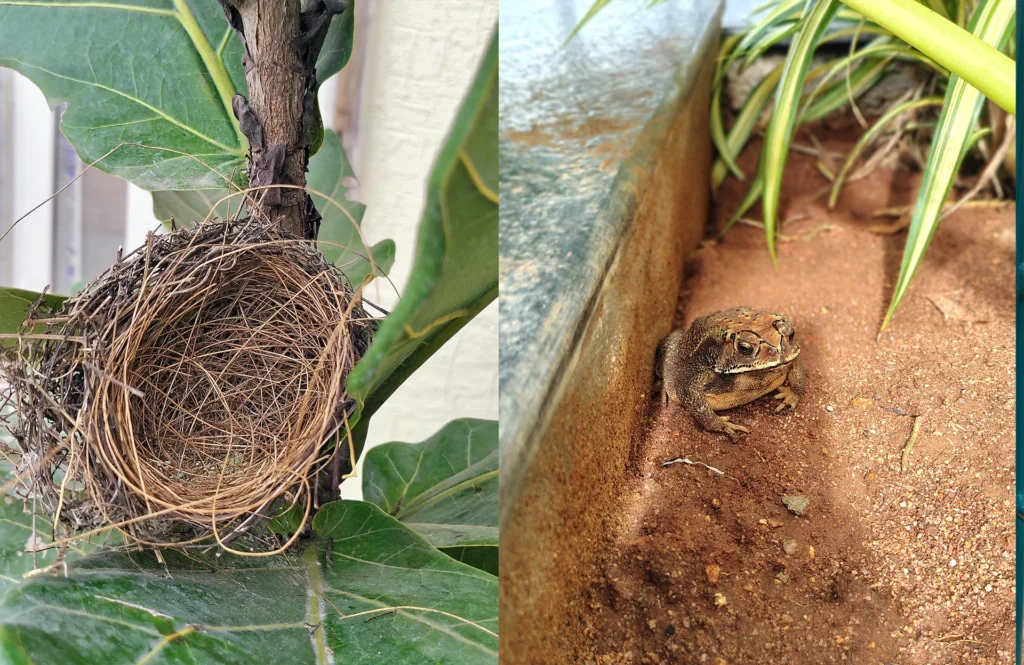
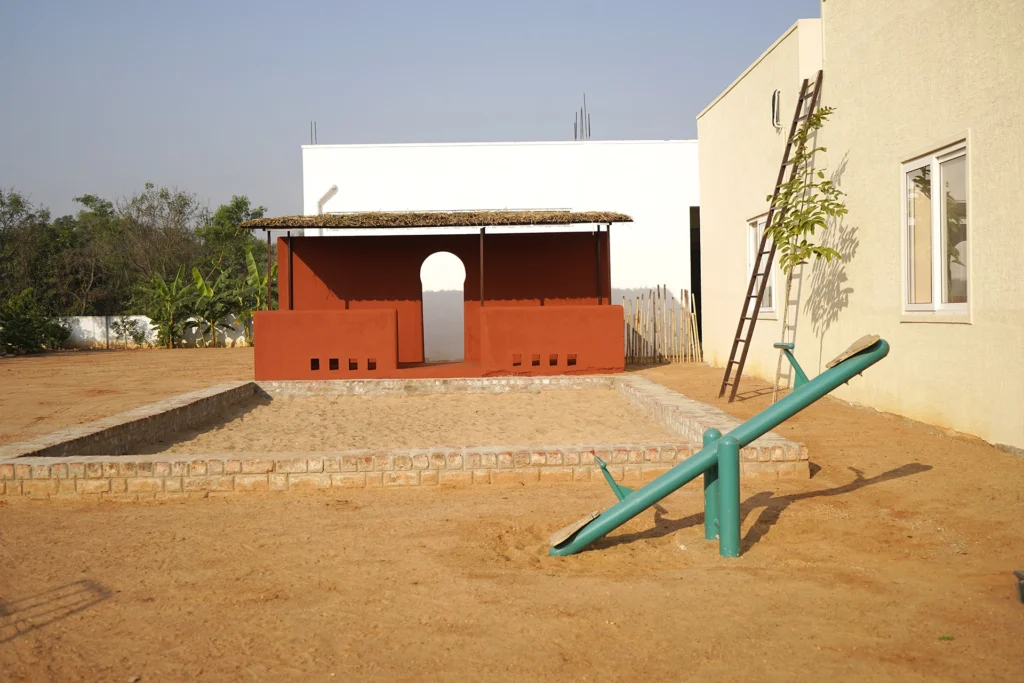
Thraya’s campus is a thoughtfully designed space to immerse children in the natural world. Our outdoor spaces encourage barefoot movement, helping children stay grounded and develop sensory awareness. The playground is kept natural, allowing little feet to feel real textures and temperatures underfoot. Classrooms are naturally lit, with open windows that invite sunlight, fresh air, and a constant connection to the outdoors. Greenery fills the campus, with herbs and fruit- and flower-bearing trees offering daily encounters with growth and seasonal change. Even fruit time reinforces this connection, with fruits grown on campus served to Kindergarten children, allowing them to enjoy and relate to what they see and care for around them.
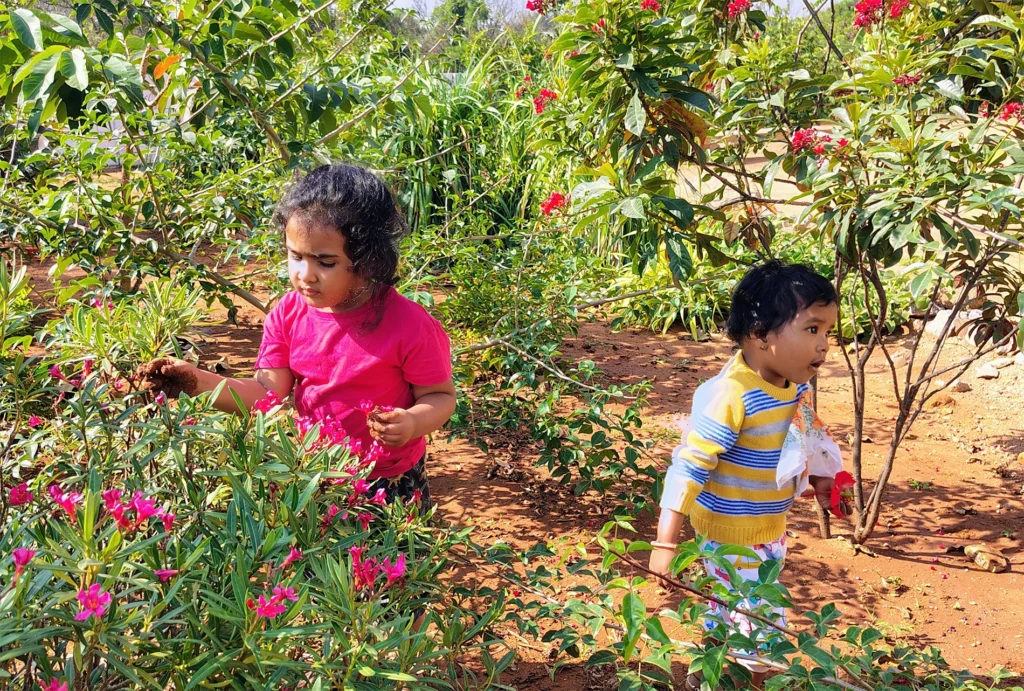
Even the curriculum at Thraya is woven seamlessly with the rhythms and lessons of nature.. Children spend time outdoors in free play every day, rather than being limited to a weekly nature session. Lesson blocks such as Plant Study and Mineralogy closely integrate with outdoor experiences, while nature walks, building with natural materials and farming activities give children hands-on experiences with soil, growth, and ecological processes. Through these immersive interactions, children attune themselves to the rhythms of the living world, observing, questioning, and participating in the cycles and patterns of nature as an essential part of their learning journey.
Why Build a Campus Around Nature?
For early humans, learning unfolded naturally through observing, imitating, and engaging with the world around them. Nature was not just a backdrop, it was the classroom itself. Children absorbed knowledge and wisdom directly from their surroundings: they learned which plants were useful, how animals behaved, and how to move safely through their environment. This intimate connection to nature cultivated understanding, curiosity, and a sense of responsibility for the world around them.
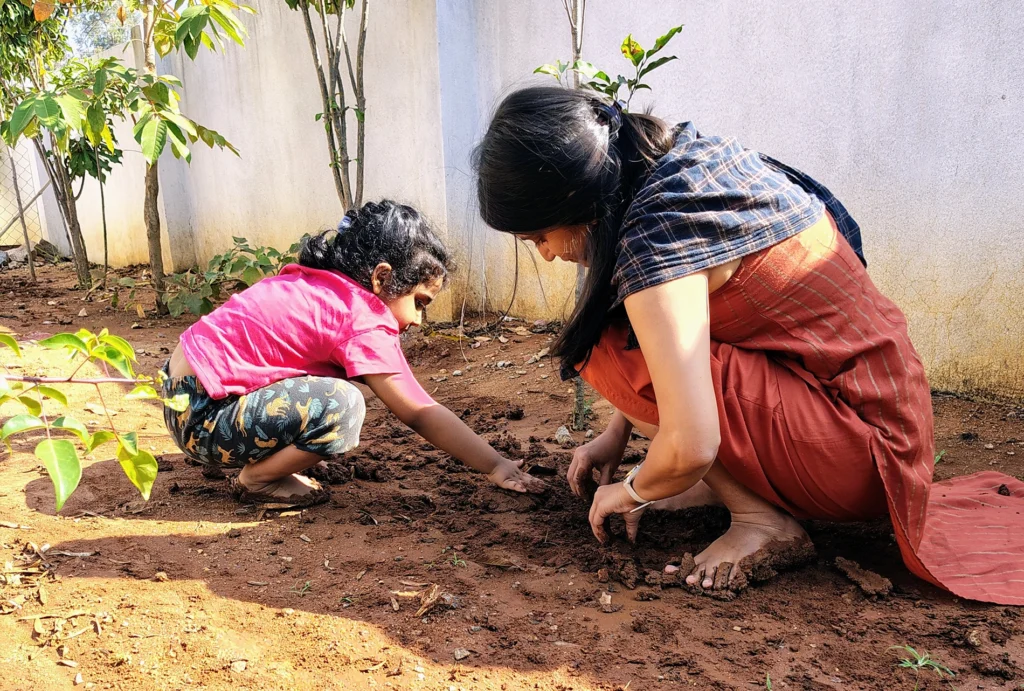
At Thraya, we recognize that this connection is essential for children. By situating the campus and curriculum in the natural world, children are invited to engage all aspects of their being—head, heart, and hands. Working with soil, observing the growth of plants, and moving through sunlit, green spaces, children develop sensory awareness, emotional resilience, and an experiential understanding of life’s rhythms. In a world increasingly separated from nature, our campus ensures that children grow up attuned to the living world, gaining knowledge and wisdom through direct experience, rather than abstraction alone.
Why Do Children Need Nature Today?
Over time, as human societies evolved and reshaped the natural world, children slowly drifted away from a direct relationship with nature and the world around them. As a result, this disconnection from the natural world is translating into disconnection from one’s self. Today, children grow up amid speed and stimulation, with fewer hands-on experiences. Intellectual achievement is rewarded far more than sensory exploration or working with one’s hands. Many children rarely climb trees, touch soil, watch something grow, or simply be still outdoors.
Yet these experiences are essential: they strengthen physical development, support emotional self-regulation, nurture curiosity, and help children make sense of abstract concepts by first encountering them in real, tangible ways. Nature offers children the chance to discover, question, take appropriate risks, and develop resilience. It nurtures curiosity, steadiness, and a genuine connection to the world they inhabit. By bringing nature back into daily school life, we ensure that children grow up learning not only about the world but with it.
Nature as Teacher, Not Just Medium
Embedded within nature, the living world offers timeless lessons that are not abstract ideas but patterns children can witness, touch, and experience. In spending time in natural spaces, they begin to notice the deeper principles that shape all life.
Interdependence: As children spend time observing ecosystems, patterns of interdependence reveal cooperation not as a rule to follow but as a natural way of being. Plants lean on insects for pollination, soil draws life from unseen microbes, and animals depend on plants for nourishment. Children witness how every creature supports another, and from this, a deeper understanding of teamwork and responsibility takes root.
Adaptability: Through living examples of how plants turn toward sunlight, how animals migrate or hibernate in response to changing seasons, and how rivers shift their course when they meet an obstruction, nature teaches adaptability. Children notice that challenges are not endings but invitations to adjust, rethink, and try again.
Coexistence: In the shared spaces of forests, ponds, and skies, children observe species living side by side, predators maintaining balance rather than cruelty, and prey responding with alertness rather than fear alone. These relationships show children that living together is possible even among differences, and that harmony comes from respecting boundaries and roles.
Resilience: In nature, recovery is a constant. Forests regenerate after fire, pruned plants grow back stronger, and roots push through stone. As children witness these quiet acts of endurance, they learn that setbacks are temporary and that strength often returns in new forms.
Renewal: Woven through every part of nature, life continually reshapes itself through beginnings and endings. Leaves fall and decay into soil, water rises and returns as rain, seeds sprout in cracks. By living and witnessing these cycles, children start to sense that letting go and starting anew are natural processes, essential not only to the earth but to their own emotional lives.
Balance: Nature constantly balances growth and rest, abundance and scarcity, giving and receiving. As children observe these rhythms, they understand that imbalance — exhaustion, overuse, overconsumption — leads to decline, while balance sustains life. This becomes a lesson in self-regulation and mindful living.