
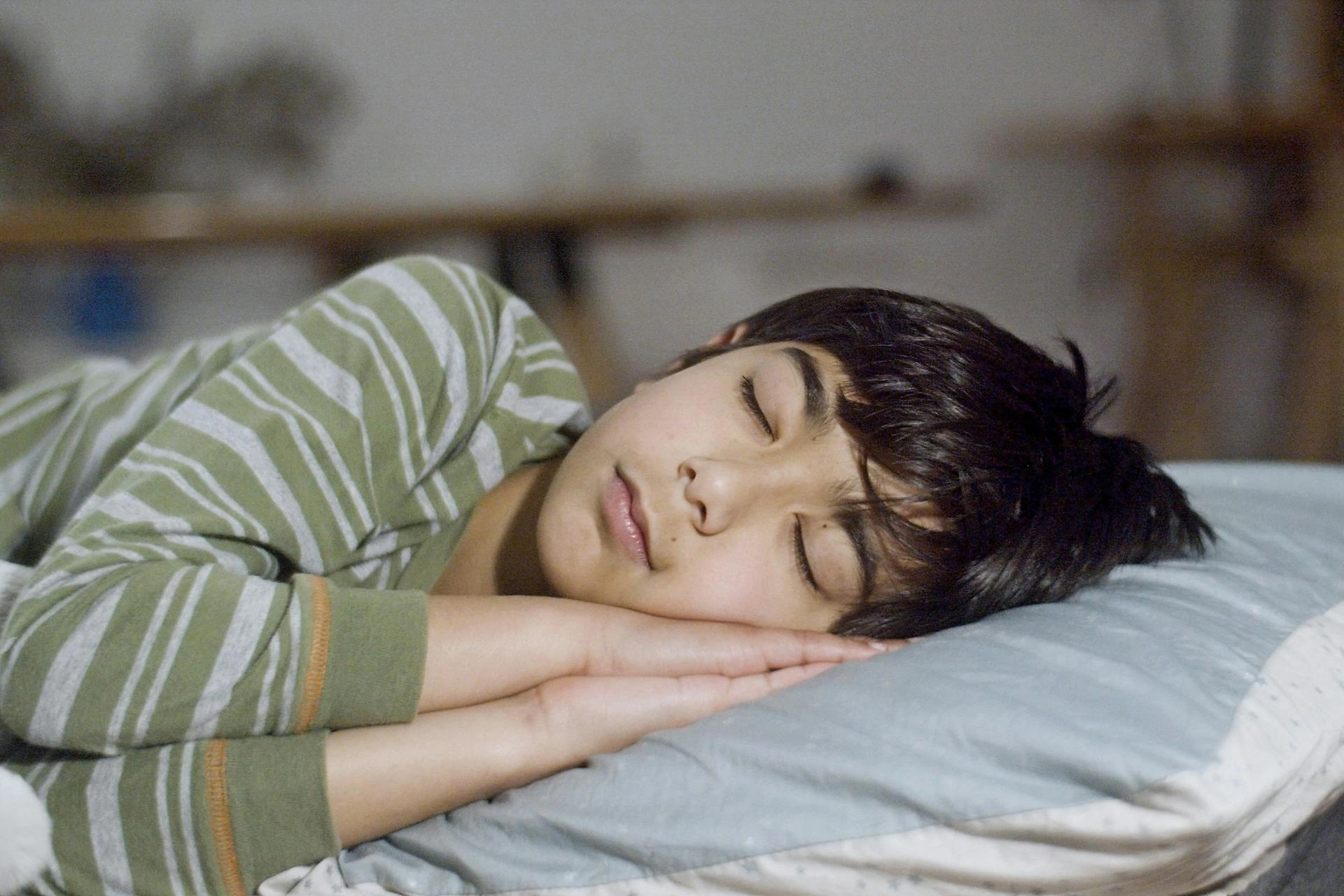
Sleep is one of the quiet yet most powerful foundations of early childhood. When a child sleeps well, their body grows with ease, emotions settle, and the experiences of the day find their rightful place within them.
At Thraya, we observe that healthy sleep shapes far more than a child’s night. It influences how they play, how they relate to others, and how they learn. A well-rested child moves through the day with greater steadiness, creativity, and joy. Supporting sleep in the early years is not about managing behaviour—it is about caring for the child’s well-being at its roots.
Why Healthy Sleep Matters in Early Childhood
In Waldorf education, sleep is seen as a time when the child “digests” everything they have seen, heard, felt, and experienced, much like how the body digests food. When this inner processing is interrupted by insufficient or disturbed sleep, children carry unfinished impressions into the next day. This often appears as restlessness, heightened sensitivity, difficulty concentrating, or emotional extremes rather than visible tiredness.
Healthy sleep is when the child rests deeply and the body repairs and grows, the nervous system releases built-up tension, and the child’s inner world reorganises the many impressions of the day. At Thraya, we witness how well-rested children move through their world differently. Their play becomes more creative, their relationships smoother, and their learning more joyful.
How Much Sleep Do Young Children Need
Young children need more sleep than we often realise. While individual needs vary, most children between the ages of three and six require 10–12 hours of uninterrupted night sleep, along with adequate rest during the day. For many children, a daytime nap or rest period continues to be essential.
In Waldorf early childhood, rest is not defined only by sleep. Quiet lying down, listening to a story, or simply being still allows the nervous system to settle. their body and nervous system still benefit from a pause. This period of rest supports digestion, emotional regulation, and the ability to re-engage calmly with the afternoon.
Why Children Behave Differently When They Sleep Less
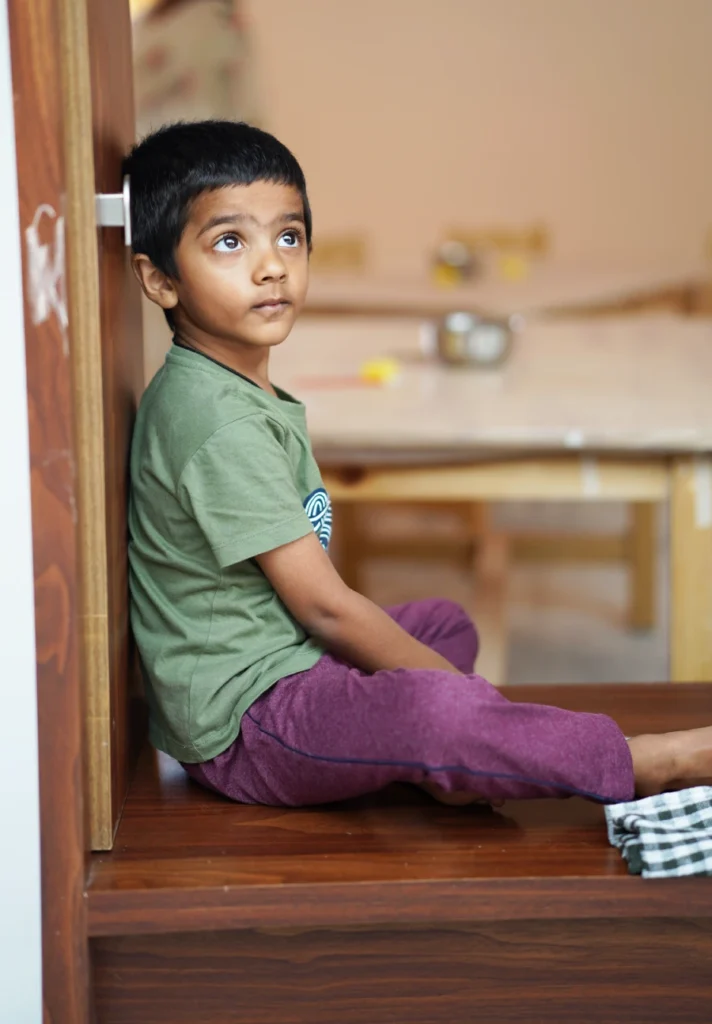
When sleep is insufficient, the child’s nervous system does not fully recover. Self-regulation weakens, emotions rise quickly, patience diminishes, and transitions become harder. What may appear as defiance, restlessness, or emotional outbursts is often the body asking for rest.
A tired child may struggle to focus, become easily frustrated, withdraw from play, or react strongly to small challenges. These responses are not intentional; they are signals that the child has not had enough time to restore inner balance.
Sensory Overload and Its Impact on Sleep
A child’s day is filled with sensory impressions of sounds, movement, colours, textures, conversations, and emotional exchanges. Each impression requires energy to process. When days are overly stimulating or rushed, the nervous system remains alert even when the body is tired, making deep sleep difficult.

This is why at Thraya we protect the child’s senses through calm, well-paced days, simple activities, natural materials, and a steady rhythm. When impressions are absorbed gradually, children are more able to fall into deeper, restorative sleep and wake refreshed.
How Screens Disrupt Sleep
When screens are used in the late afternoon or evening, children often take longer to fall asleep, experience lighter or more restless sleep, and wake feeling less refreshed. This can show up the next day as irritability, reduced focus, or emotional ups and downs.

Screens place a unique strain on the young child’s nervous system. Bright light, rapid images, and constant stimulation keep the brain alert when it should be slowing down. Blue light also interferes with melatonin, the hormone that signals sleep.
Evening screen use often leads to delayed sleep, lighter rest, and difficulty waking. This may show up the next day as irritability, reduced focus, or emotional imbalance.
Movement, Play, Food and Their Link to Sleep
Healthy sleep begins long before bedtime. Free play allows children to release emotional energy and integrate experiences. Outdoor movement like running, climbing, balancing, digging helps the body find a natural readiness for rest.

Warm, nourishing meals and predictable mealtimes support digestion and prevent nighttime restlessness. When movement, play, and nourishment are in harmony, sleep follows more easily, allowing the child to rest deeply and wake ready to meet the day.
When Children Struggle to Sleep and Seeking Support
Even with a predictable rhythm, some children find it hard to settle. Signs of insufficient sleep include quick emotional overwhelm, frequent conflicts, difficulty joining group play, trouble waking in the morning, and irritability toward the end of the day.
Often, gently returning to a calm evening routine, an earlier bedtime, or quieter afternoons helps restore balance. Parents may consider professional guidance if sleep difficulties persist, the child snores heavily, shows disrupted breathing, experiences frequent nightmares, or daytime behaviour is significantly affected. Support can come from a paediatrician, developmental specialist, or a therapist familiar with childhood rhythms.
Evening Rhythm and Home Practices That Support Restful Sleep
Children absorb the calm mood of their home; when parents move slowly and speak gently, sleep comes more easily. Waldorf-inspired routines that we encourage families at Thraya to practice include warm, soft lighting, a slow bath, quiet play with simple toys, handwork or drawing alongside a parent, and a familiar story or gentle song repeated over time.
At home, simple consistency matters most: regular wake and sleep times, device-free evenings, predictable meals, reduced stimulation after sunset, and a familiar bedtime sequence. When children know what comes next, they relax more deeply, allowing their bodies and minds to rest fully and wake refreshed.