
For many families living in Kokapet, Gachibowli, and the Financial District, choosing a school often means comparing several international schools in the same area. These schools typically offer global curriculum boards, modern campus facilities, and technology-enabled classrooms, and parents naturally begin evaluating them based on visible factors such as infrastructure and fee structures.
In this search, some parents also encounter Waldorf schools. While the comparison may initially appear to be about fees or facilities, the real difference lies in what the school invests in. International schools and Waldorf schools allocate resources very differently — from technology and classroom tools to the overall learning environment. Understanding that distinction helps parents compare not just the cost of schooling, but the value behind it.
International Schools and Waldorf Schools: Two Different Approaches
In Kokapet, Gachibowli, and the Financial District, many well-known schools follow the international school model. These schools typically offer globally recognised boards such as IB or Cambridge and structured academic programmes aligned with international standards.
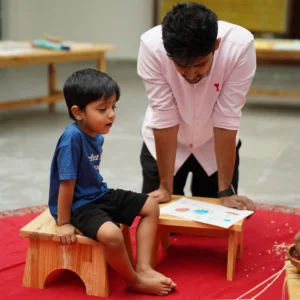
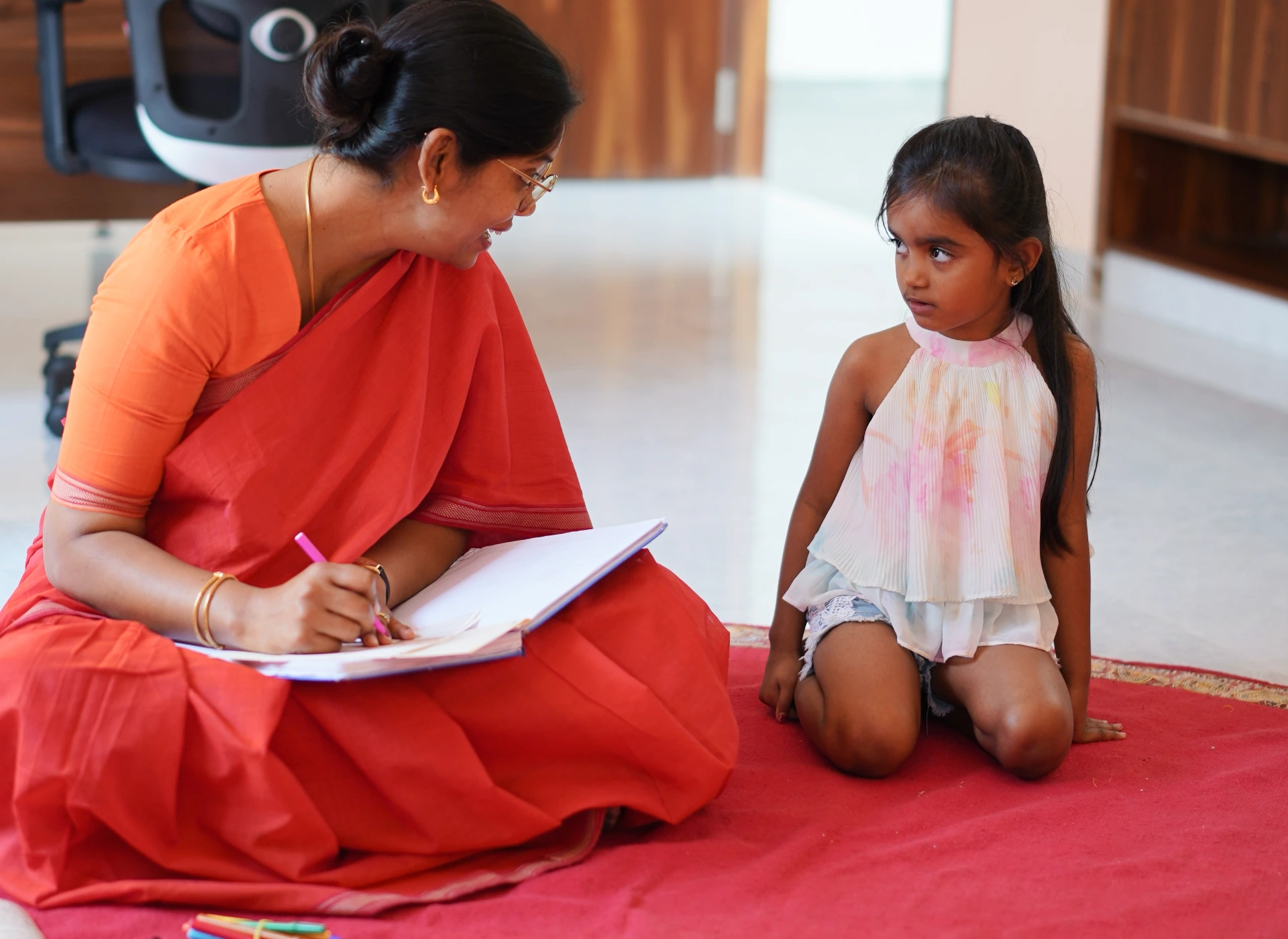
Waldorf schools begin from a different starting point. The curriculum and daily rhythm are designed around the pace and stages of child development, with learning introduced through experience, creativity, and movement before formal academics intensify.
Both models aim to educate children well, but they organise the learning environment in different ways.
| What Schools Invest In | Many International Schools | Waldorf Schools |
|---|---|---|
| Campus Design | Large indoor buildings with climate-controlled classrooms | Open campuses with access to nature and outdoor movement |
| Learning Tools | Digital boards, tablets, and classroom technology | Natural materials, craft tools, art supplies, and hands-on learning resources |
| Learning Environment | Structured academic spaces designed for classroom instruction | Spaces designed for movement, imagination, and creative work |
| Early Learning Focus | Earlier exposure to formal academics and technology | Emphasis on imagination, sensory learning, and physical development |
Seen this way, the comparison is not about which model is “better.” It is about understanding the kind of learning environment and childhood experience each model is designed to provide.
Cost vs Value: What Parents Are Actually Paying For
When families compare school fees, a more useful question to ask is what that cost is used for in designing and supporting a child’s daily experience at school.
In many international schools, a significant portion of the investment goes toward large buildings, climate-controlled classrooms, and advanced educational technology. These are visible markers of infrastructure and are often central to how schools present their value.
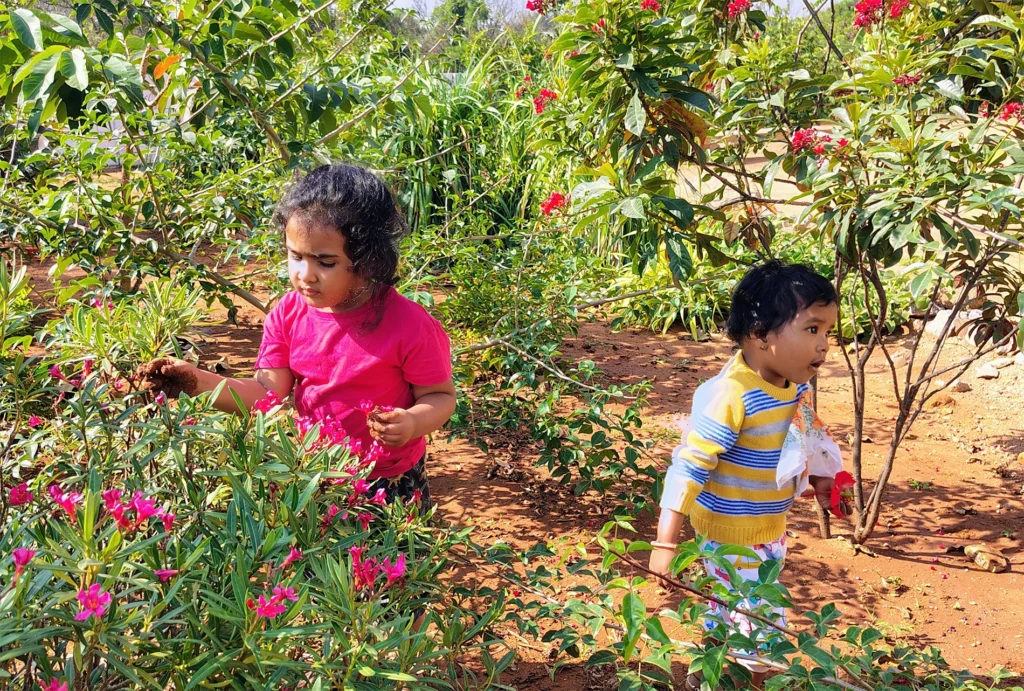
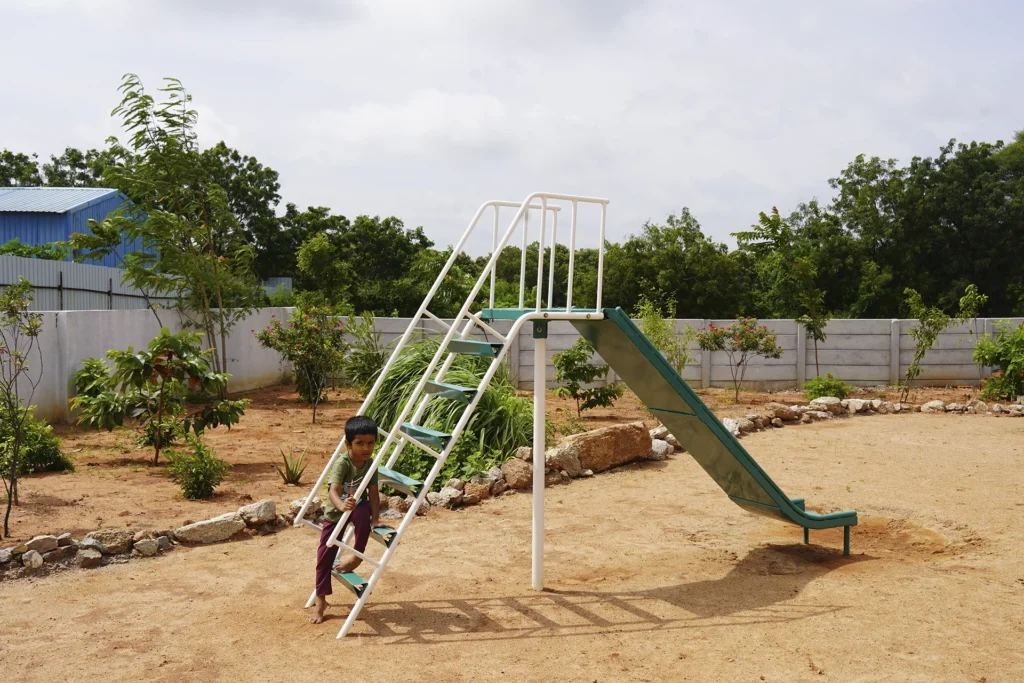
In a Waldorf school, the allocation of resources tends to look different. Greater emphasis is placed on space for movement, craft and art studios, outdoor environments, and materials that support hands-on learning. The environment is designed to support imagination, physical activity, and sensory engagement alongside academics.


For parents evaluating options, the comparison becomes clearer when viewed this way: the same fee structure can reflect very different priorities in how a school designs a child’s day.
Why Waldorf Schools Feel Different Even When Fees Are Similar To International Schools
Parents sometimes notice that Waldorf schools and international schools fall within a similar fee range. Yet the two models often feel very different in how they operate and what they prioritise.
One reason lies in how these schools are built. Many Waldorf schools are founded by educators, teachers, or parent communities who come directly from the field of education. The school structure grows around child development and classroom practice rather than a corporate expansion model.
Teacher preparation also follows a different path. Waldorf teachers undergo specialised training that includes child development, artistic practice, storytelling, handwork, and nature-based learning alongside academic teaching. The intention is to prepare teachers not only to deliver lessons, but to shape the overall learning environment for children.
While Waldorf schools maintain clear structure and organisation, the model places greater emphasis on meaning, relationships, and intentional teaching rather than replicating a standardised school format.
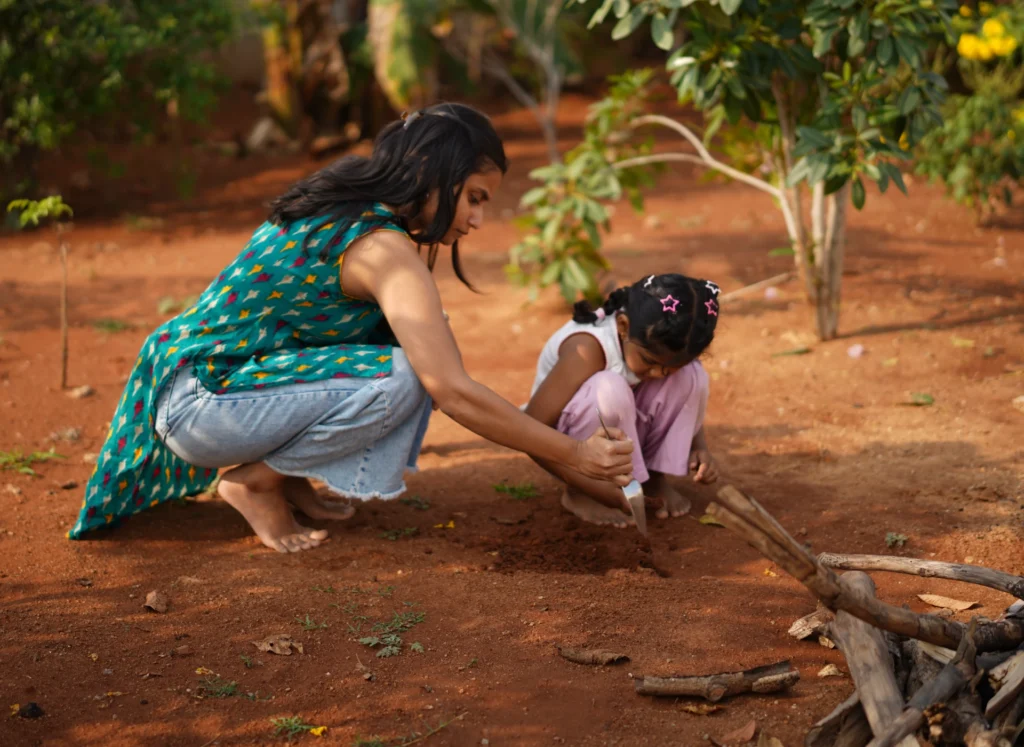
For this reason, the value offered by a Waldorf school often lies less in visible infrastructure and more in the depth of teacher preparation, the design of the learning environment, and the educational philosophy guiding everyday practice.
Choosing the Right School
Comparing Waldorf and international schools is ultimately not about deciding which model is better. Both approaches aim to educate children well, but their foundations rest upon different learning approaches.
For parents, the more useful exercise is to look at comparable parameters — how the school designs the learning environment, what kind of daily experiences it offers children, how teachers are prepared, and what the school invests in as part of its educational model.
Seen this way, the decision becomes less about labels and more about alignment. Each family can then choose the environment that best matches their expectations, values, and the kind of childhood they want their child to experience during their school years.