
When families search for schools today, conversations often begin with curriculum, facilities, or board affiliation. Increasingly, they also include a quieter concern about air quality, traffic congestion, and how much of a child’s day is spent indoors. At Thraya, these concerns are shared deeply.
Location, for us, is more than a pin on a map. It shapes the air children breathe, the noise they absorb, and the space they move through each day. Choosing Janwada was therefore not merely a logistical decision for us but a conscious choice centred on children’s health.
The Health Value of Clean Air and Open Space
Thraya’s campus in Janwada was chosen with one priority in mind: a healthier daily environment for children. Unlike campuses located within heavy traffic corridors of Hyderabad, the Janwada setting allows children to spend outdoor time away from dense vehicular pollution. When drop-offs, pick-ups, and playtime are not happening beside busy main roads, children are exposed to fewer emissions and less constant traffic noise during the school day.
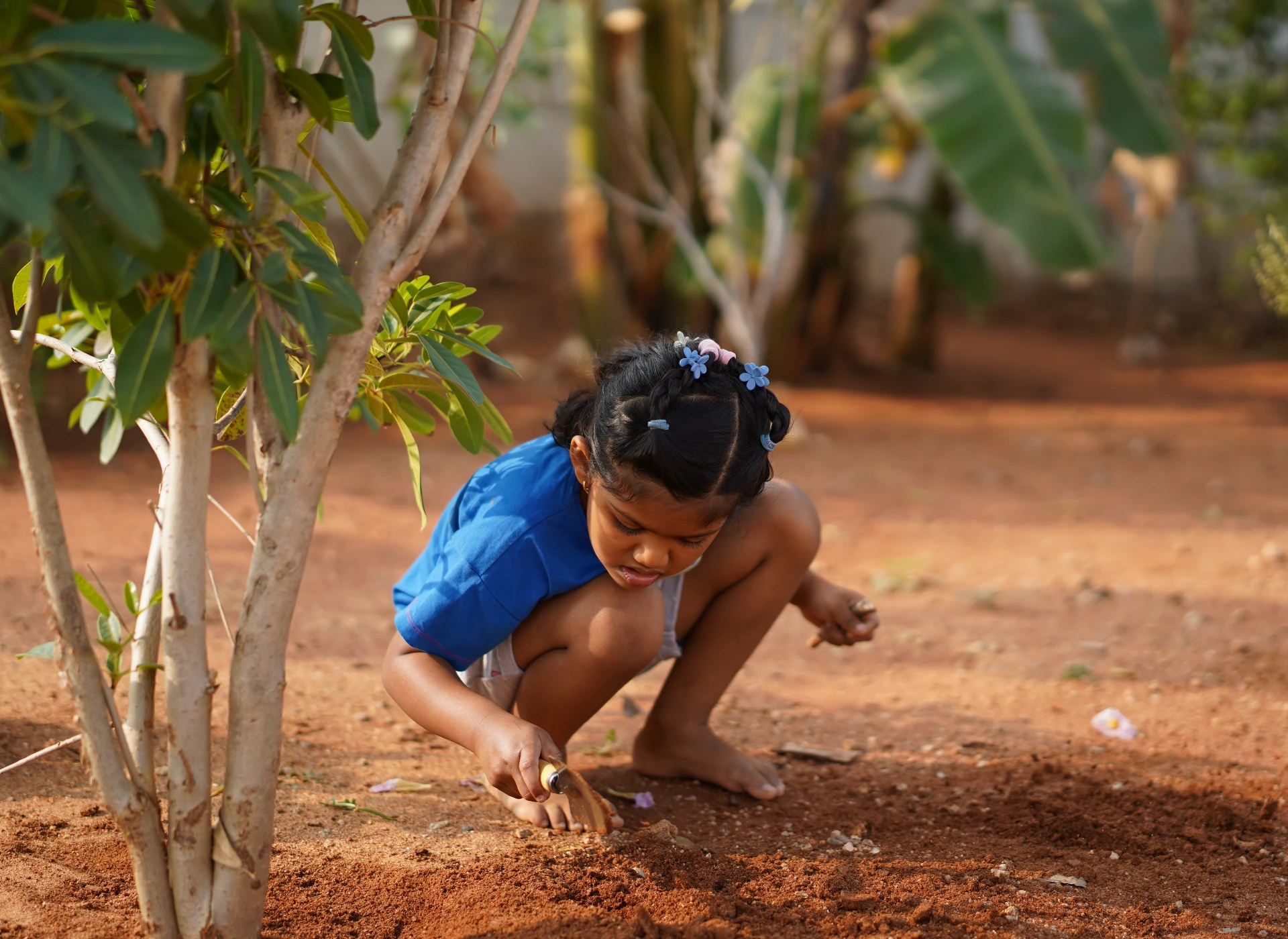
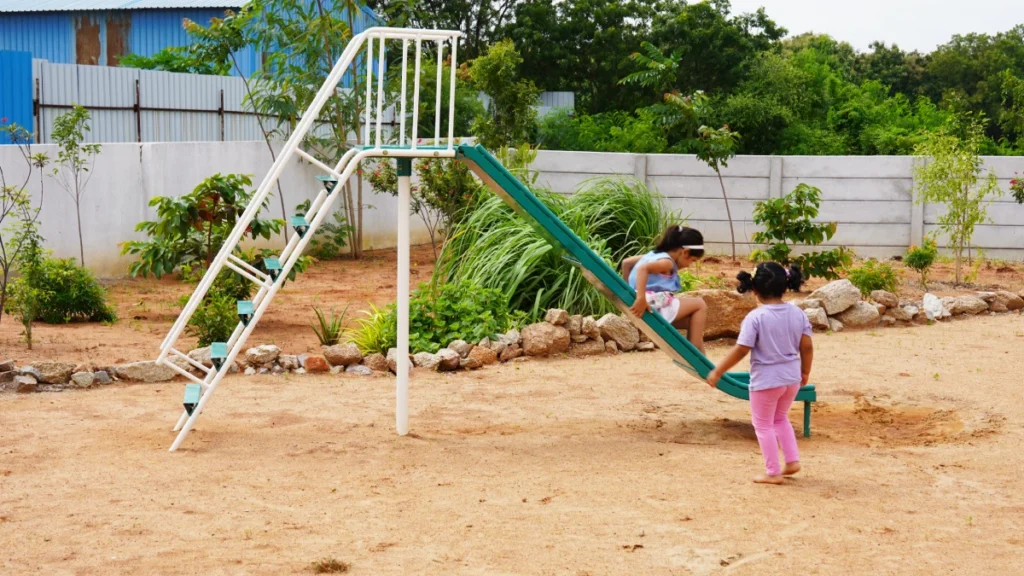
Moreover, in many inner-city campuses, limited ground space restricts how often and how freely children can move outdoors. Thraya’s open campus design in Janwada allows us to remove this constraint making outdoor time possible for children to run, play, and engage with nature. When air is cleaner, space is wider, and noise is lower, children move and function more comfortably.
Janwada: Close to the City, Away from the Smog
Janwada offers a balance that many families are actively looking for. It remains within easy reach of Kokapet and the Financial District, while being outside the most congested traffic pockets of Hyderabad.
For parents working in and around Kokapet, the commute remains practical. At the same time, the school day at Thraya unfolds in a setting that is less compressed by high-rise clusters, constant construction activity, and heavy road intersections.
This proximity matters. A campus does not have to be in the centre of traffic to remain accessible. Being a short drive away allows families to stay connected to the city’s work hubs, while children spend their day in a more open and breathable environment.
The advantage is simple: close enough for convenience, far enough for comfort.

What “Nature Schools in Hyderabad” Means at Thraya
The term “nature school” is used widely today. In practice, at Thraya this means more than landscaped corners or decorative green patches within a compact campus.
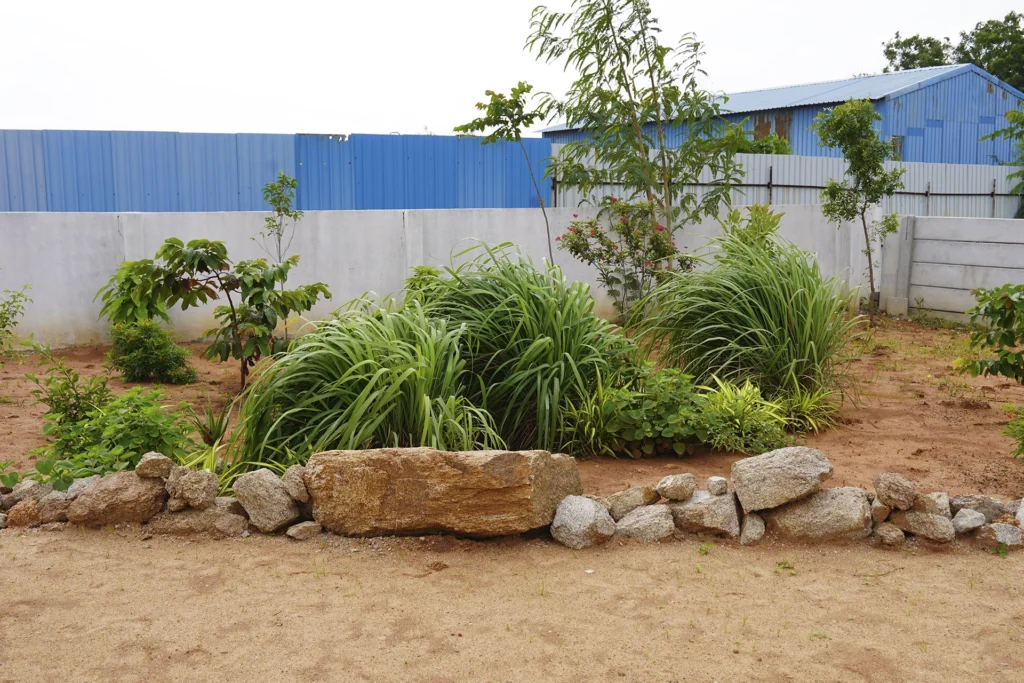
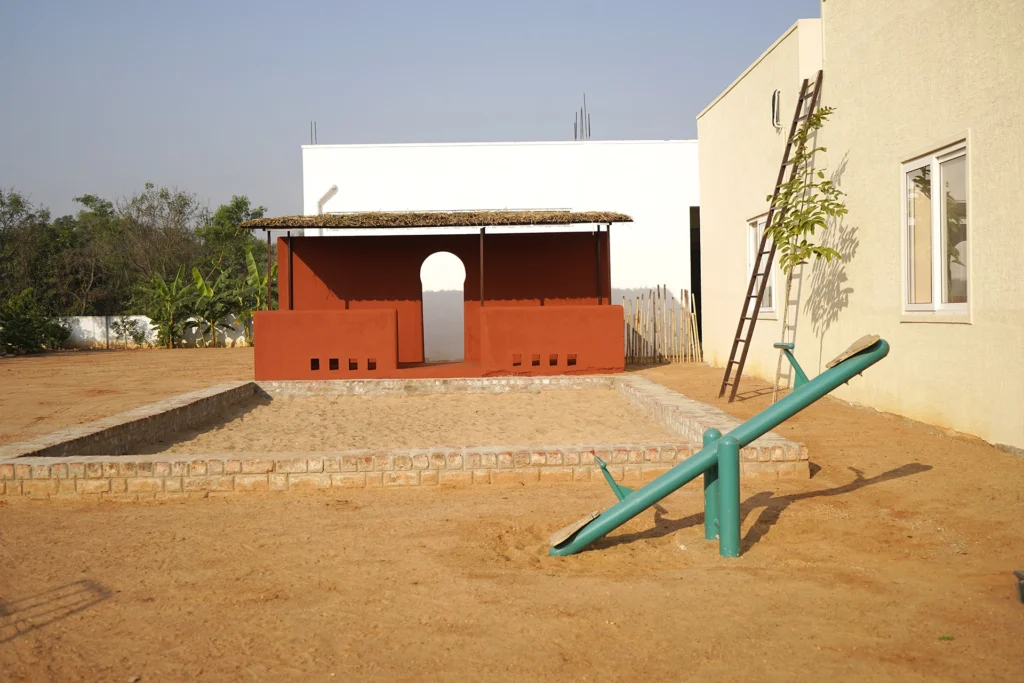
Here nature-based setting is defined as a space that allows children to experience open ground, tree cover, shifting light, and seasonal change as part of their daily routine.
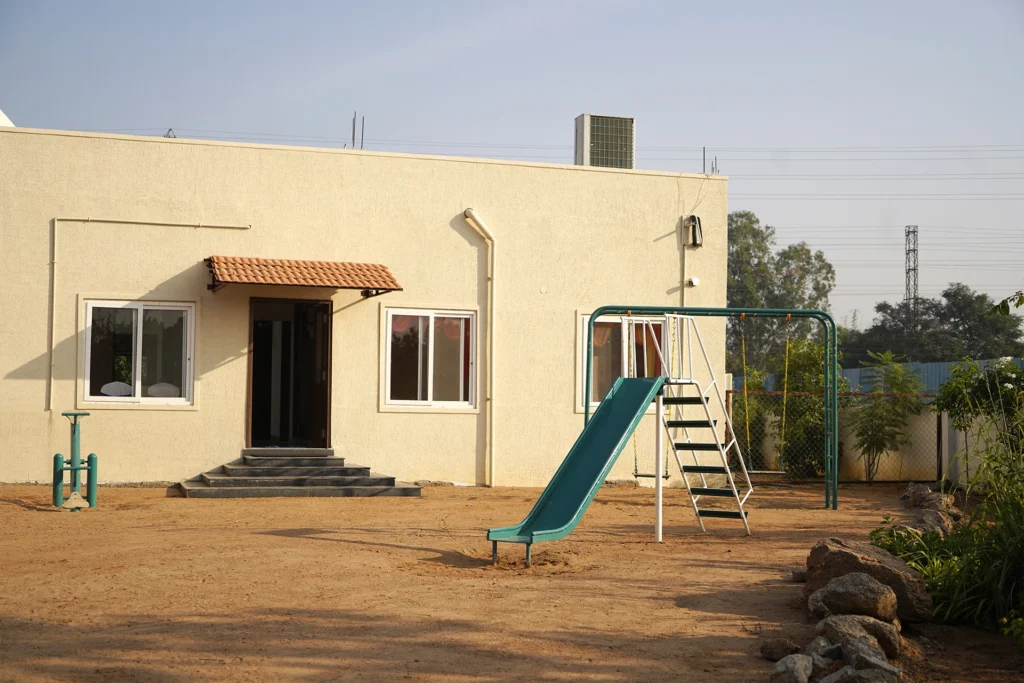
In many dense city campuses, where spaces are planned vertically, the play areas are smaller, shared, or time-bound because of physical limits. Thraya’s campus with wider ground coverage changes that equation. It allows longer outdoor time, movement between built and open spaces, and learning that extends beyond enclosed classrooms.
Nature, in this context, is not a feature. It is the environment in which the school day unfolds.
Campus Infrastructure in a Growing City
In many dense parts of Hyderabad, limited land availability has led schools to build vertically. Multi-storey campuses within compact plots are often pushed to depend more on artificial lighting and mechanical ventilation because horizontal space is restricted.
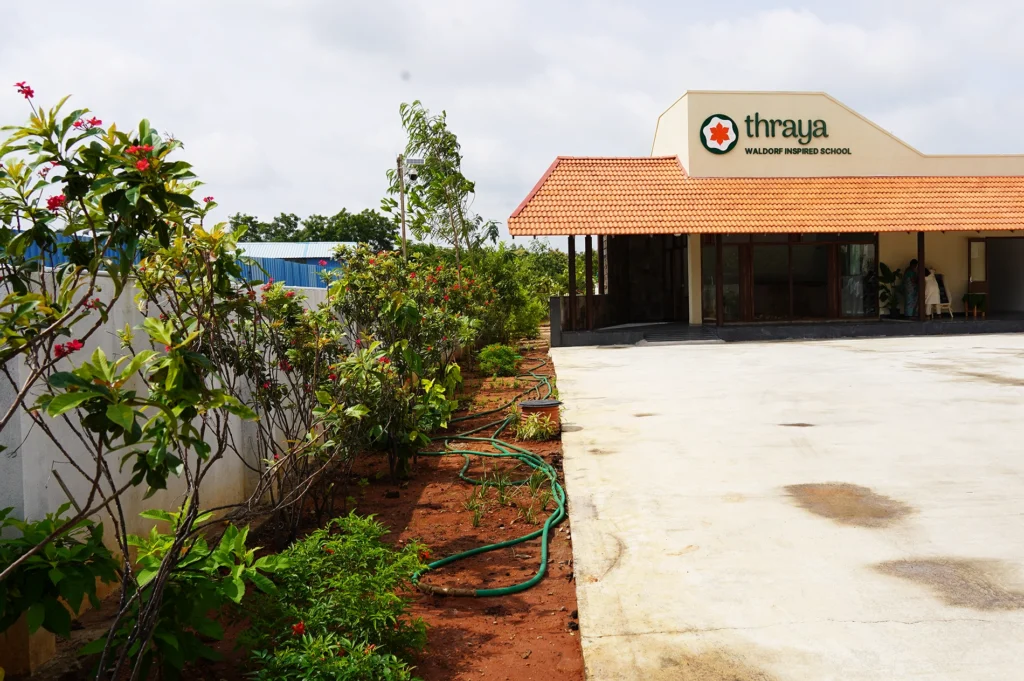
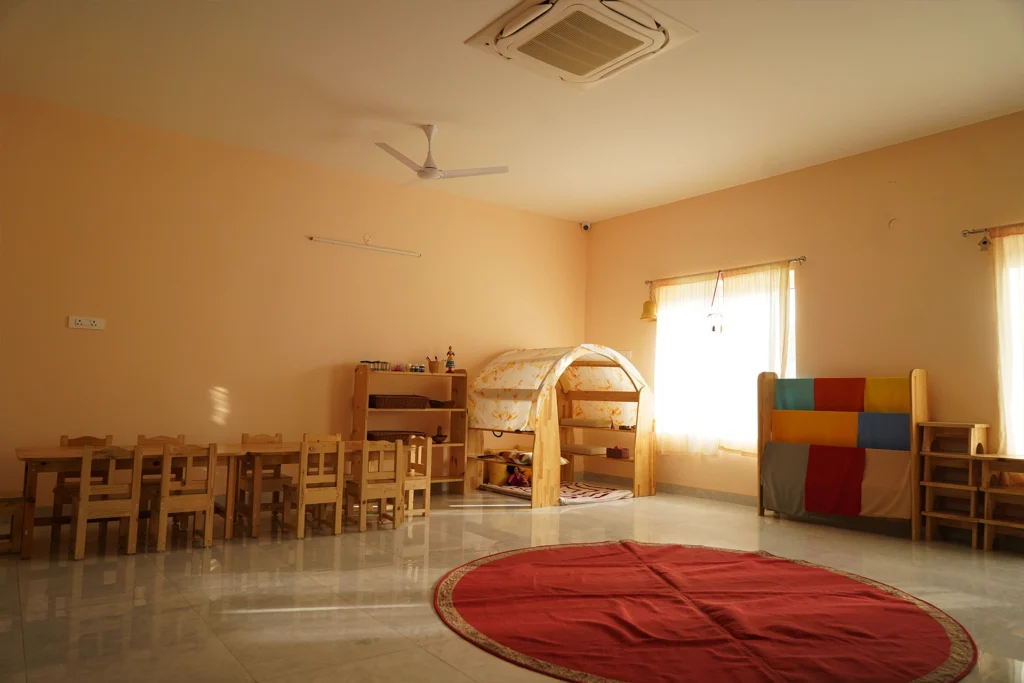
At Thraya, however, the Janwada campus allows infrastructure to be designed horizontally rather than compressed upward. Classrooms are positioned for cross-ventilation and natural light. Blocks are spaced to support airflow. Corridors are wide enough to prevent crowding during transitions.
The result is not simply a bigger campus, but a more functional one. Open spacing reduces heat build-up, allows smoother movement between areas, and keeps outdoor zones accessible throughout the day. Here infrastructure is not defined by height or scale alone. It is defined by how well the space supports the daily wellbeing of the child.
Why Location Is a Long-Term Decision
Choosing a school location is not only about distance from home. It is a decision that shapes a child’s daily environment for many years.
Children typically spend six to eight hours each day at school. Over time, the quality of the air they breathe, the amount of space they move in, and the overall pace of the environment influence energy levels, concentration, and physical comfort.
A school’s surroundings therefore affect more than the commute. Noise levels, crowding, access to outdoor space, and exposure to traffic all become part of a child’s everyday experience. These conditions accumulate gradually across years of schooling.
At Thraya, choosing Janwada was guided by this long-term view. The quieter surroundings and open campus allow children to spend their school hours in a setting that supports movement, calm attention, and daily well-being.