

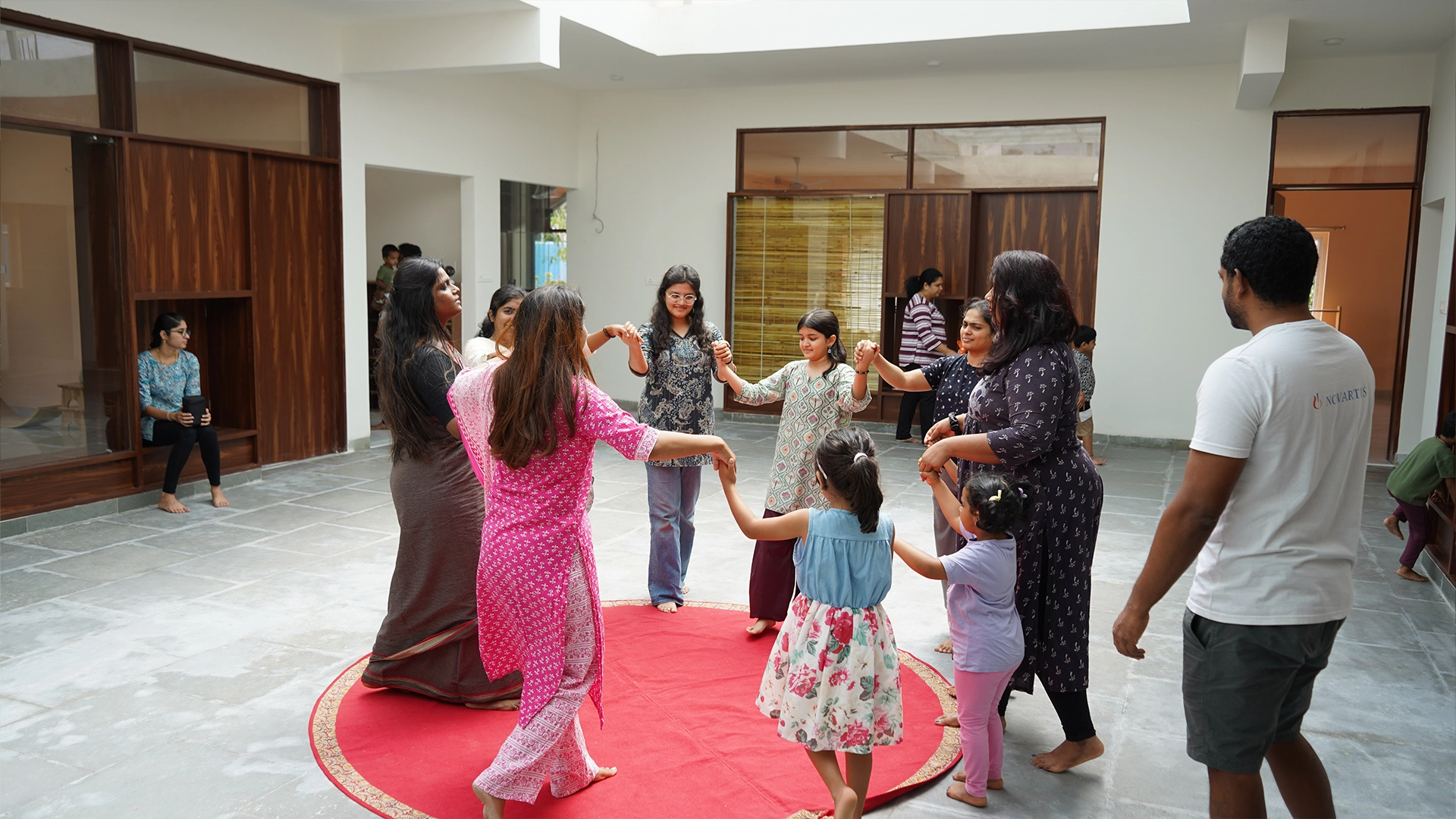
In Waldorf education, storytelling is at the heart of learning. From the first day of kindergarten to the upper grades, stories bring warmth, wonder, and meaning into every lesson.
Teachers tell stories with expression and imagination, inviting children to enter a world where learning feels alive. Fairy tales, fables, myths, and biographies, each kind of story speaks to something within the child: wonder in the early years, courage in the middle grades, and reflection in adolescence.
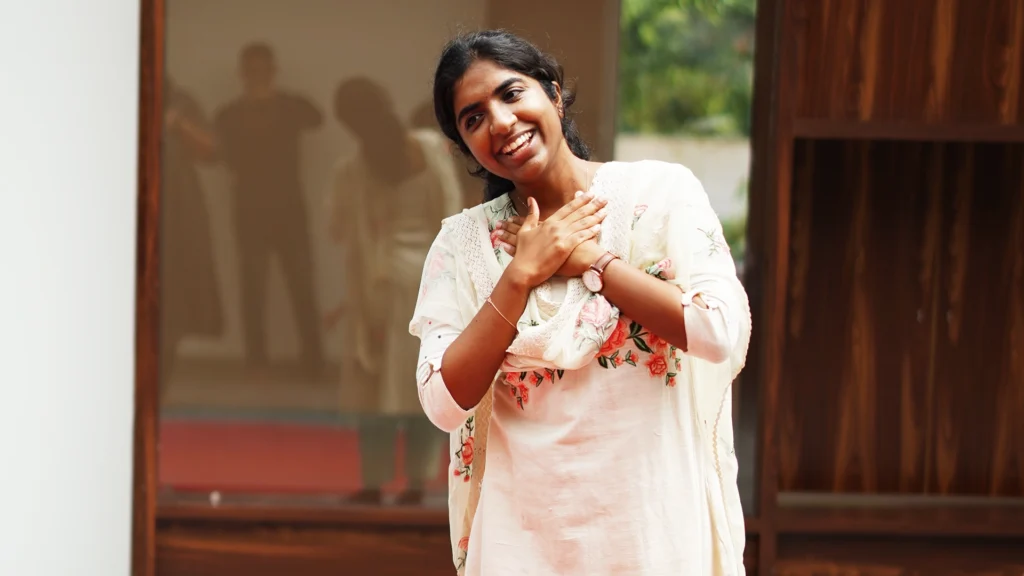
Through stories, knowledge becomes experience, values are felt rather than taught, and learning stays deeply connected to life.
In the Early Years: Stories That Shape the Imagination
In a Waldorf kindergarten, storytelling is part of everyday life. Here teachers don’t read from books or display on screens, rather they tell stories from memory, with expression, gesture, and warmth. The same story is told and retold over several days, allowing children to sink into its rhythm and language. Through this repetition, children begin to remember phrases, images, and sequences, which quietly strengthens their vocabulary, focus and memory.
This way the story then begins to live within the child. Without any prompting to analyze, retell, or explain, it unfolds naturally through play and imagination. Over time, the pictures that the child carries inwardly start to appear in their play, drawings, and beeswax modelling. These expressions are not planned follow-up activities but signs of how deeply the story has settled within them.
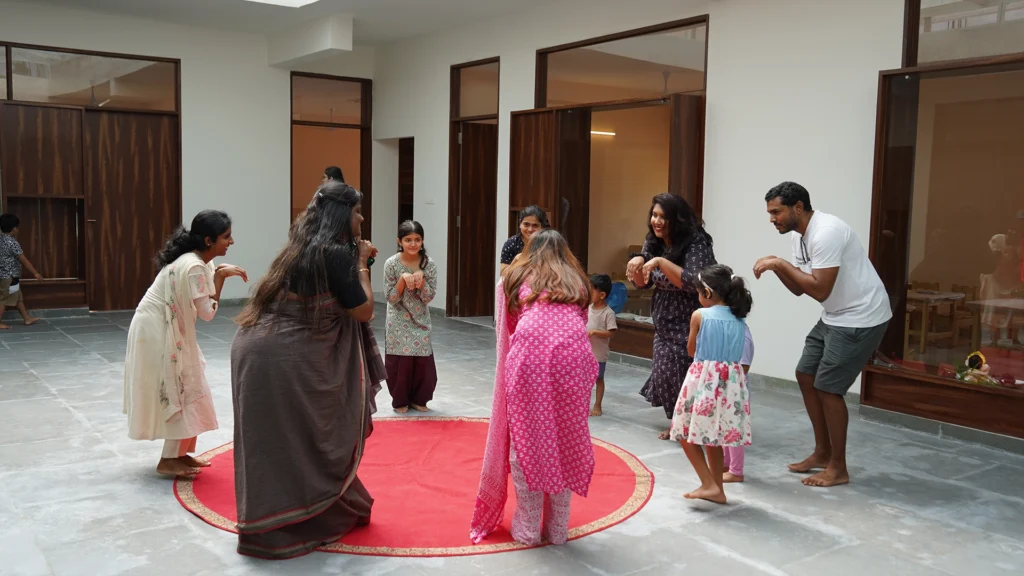
This is the role storytelling takes in the early years of Waldorf education. It nourishes imagination, language, emotional security and builds the inner pictures and love for words that later form the foundation for reading and writing.
In the Lower Grades: Stories as Pathways to Learning and Values
As children move into the lower grades, storytelling continues to guide their learning, becoming a bridge between imagination and understanding. In this stage, fairy tales and nature stories give way to fables and legends, where right and wrong begin to take shape through vivid images of courage, honesty, and kindness. Here the stories are not taught as moral lessons or followed by explanations, but through art and experience that awakens feeling and understanding from within.
Every subject is introduced through story: letters are born from pictures, numbers from adventures, and history from legends. In this way, new ideas are met with imagination first, before they become abstract knowledge. Through retelling, drawing, and acting out what they’ve heard, children engage their body, heart, and mind together, making learning personal and alive.
In the lower grades this is how storytelling gives a form to the child’s imagination, shaping empathy, curiosity, and a quiet reverence for the world which are qualities that become the true foundation for intellectual growth in later years.
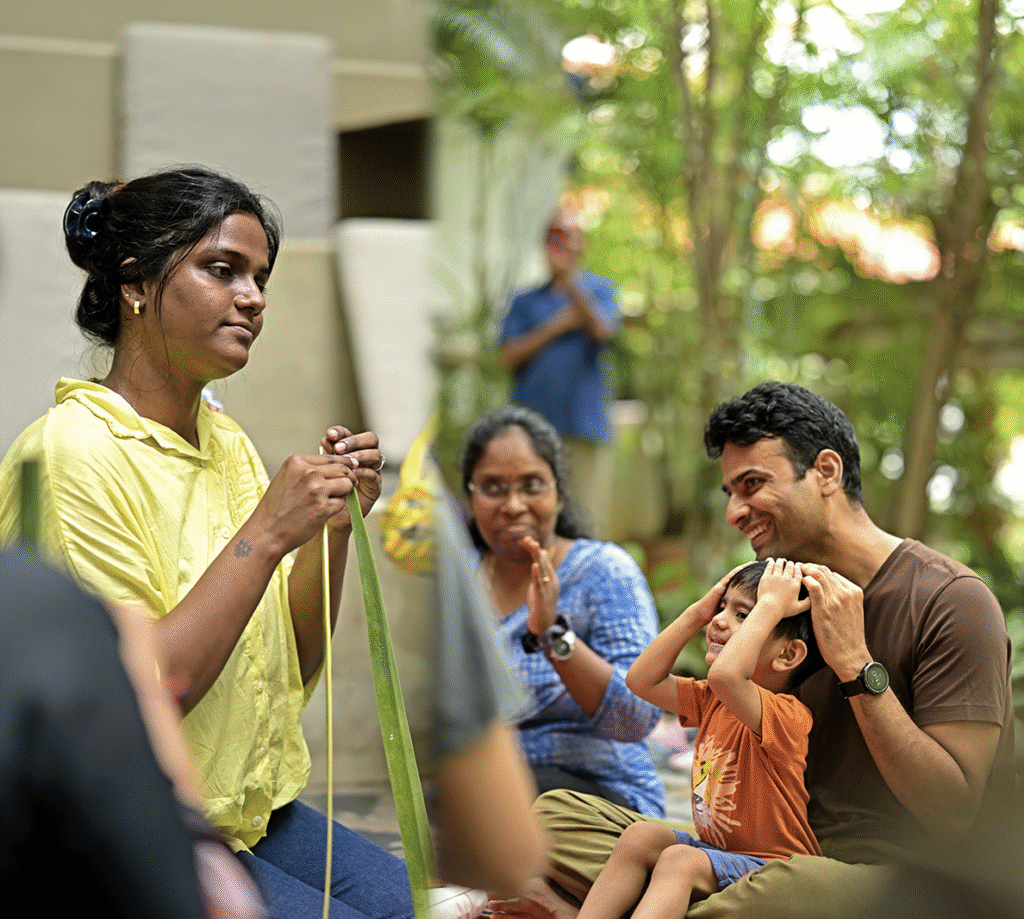
In the Middle Grades: Stories That Awaken Thought and Courage
As children grow into the middle grades, their world begins to expand. They start to question, compare, and seek meaning beyond what is seen. Storytelling now takes on a new role — to offer depth, challenge, and courage.
Lessons are woven through myths, history, and biographies of explorers, inventors, artists, and reformers who have shaped the world. These stories give children living pictures of human striving, resilience, and moral strength. Rather than preaching ideals, they show them lived through the deeds, choices, and struggles of real people.
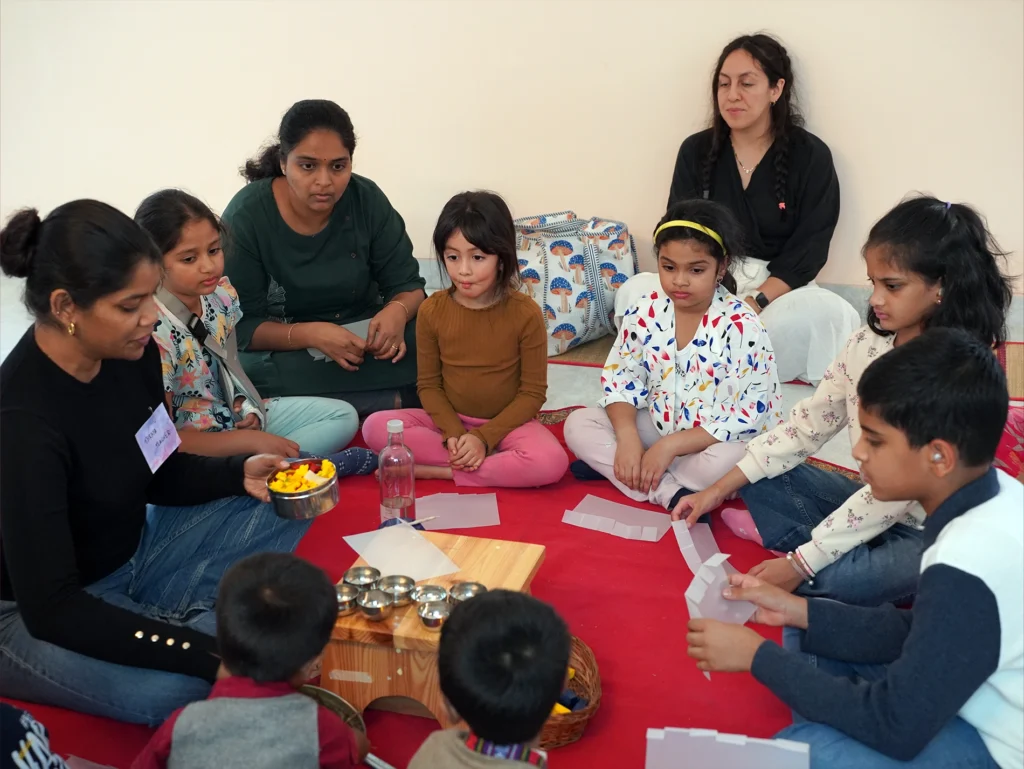
Teachers bring these stories alive through vivid narration and artistic work like drawing, painting, drama, and writing, helping students connect personally to the lives and questions they encounter. Through this, storytelling becomes a way to think with the heart: to see patterns, form judgments, and begin to understand cause and consequence.
In the middle grades, stories become companions in the child’s growing search for truth. They allow thinking to grow out of imagination, helping children approach history, science, and literature not as facts to memorize, but as living experiences to understand and make their own.
In the Upper Grades: Stories That Deepen Understanding and Identity
By the time students reach the upper grades, storytelling takes on a more reflective and questioning tone. Adolescents begin to seek truth for themselves, to understand motives, consequences, and the forces that shape the world. Thereby the stories they now hear invite thought, judgment, and self-discovery.
Teachers bring biographies, literature, and historical events that reveal the complexity of human experience – courage and failure, innovation and doubt, freedom and responsibility. These stories evoke the students’ to wrestle with questions and to see that every life and choice holds both light and shadow.
Through discussion, dramatization, and written reflection on the stories, students begin to shape their own viewpoints and moral understanding. Storytelling here becomes a dialogue between the young person and the world itself.
In the upper grades, this is the role storytelling takes. It awakens independent thinking and self-reflection, and serves as a window into humanity. It guides students toward seeing the world and themselves with truth, compassion, and clarity.
The Lasting Role of Storytelling
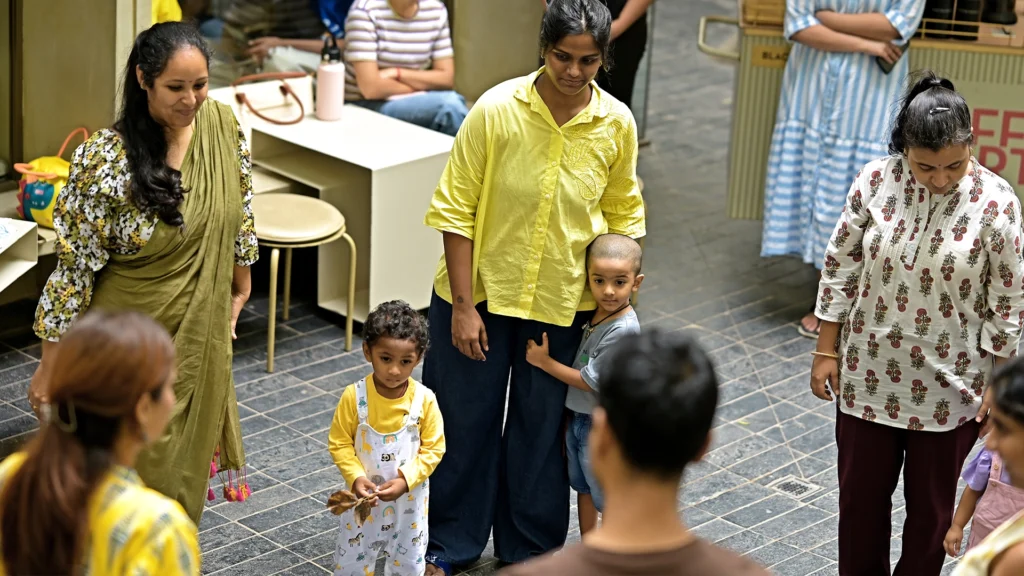
Across all grades, storytelling in Waldorf education is far more than an art or a pastime. It is a lasting foundation for learning, growth, and human development. Here storytelling is the thread that weaves learning together.
Stories make learning personal and alive, helping children internalize ideas through feeling and action rather than memorization alone. It gives children images, feelings, and experiences to live into, nurturing imagination, focus, moral sense, and curiosity. Even in a digital age, storytelling remains vital because it shapes not just what children know, but who they become – whole human beings, guided by head, heart, and hands.