

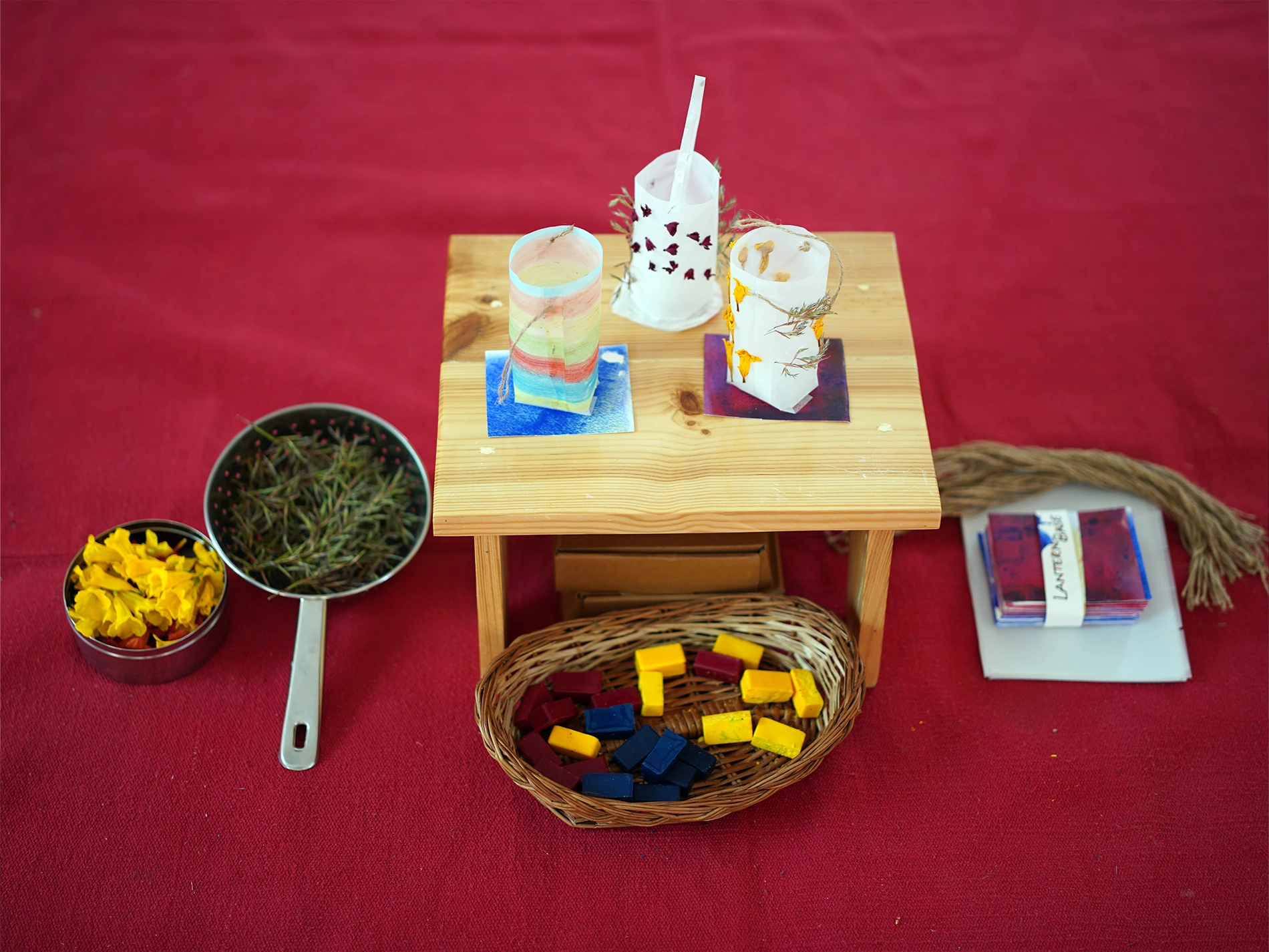
In the early years, the classroom environment quietly shapes how children feel, play, and learn. The materials they touch every day influence their sense of calm, their imagination, and their connection to the world around them. This is why, at Thraya, we intentionally design our spaces using natural, simple, and beautiful materials so that children experience an environment that is steady, calming, and creatively alive.
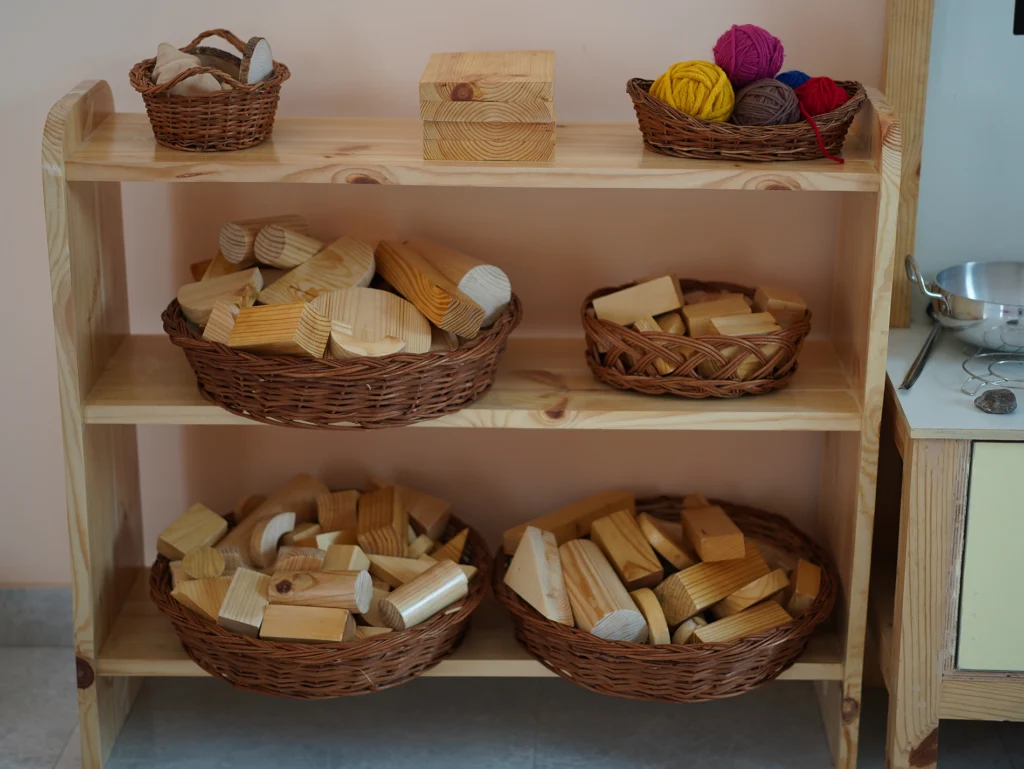
Our Waldorf inspired classrooms use natural materials like wood, wool, silk, cotton, stone, and handmade objects, instead of plastic or synthetic toys. These materials offer warmth, real texture, and open-ended possibilities that support healthy development.
Why Natural Materials Matter in Early Childhood
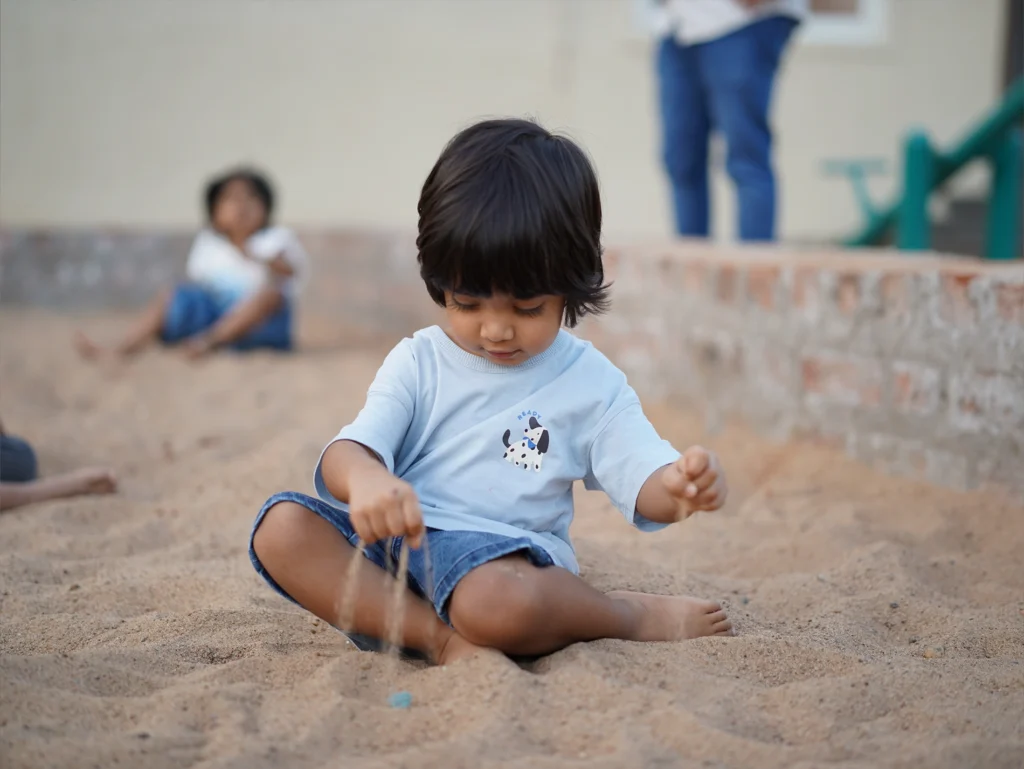
At Thraya, we believe that young children learn through their senses long before they learn through concepts. The weight of a wooden block, the softness of wool, the coolness of a stone create simple experiences that help them build an inner picture of the world.
These natural materials offer real temperature, texture, and variation, giving children the kind of sensory nourishment that plastic can’t provide. Because these materials come from nature, they feel familiar and grounding. They help children feel safe, settled, and ready to play, forming the foundation for calm, focused learning.
The Sensory Calm of Natural Materials
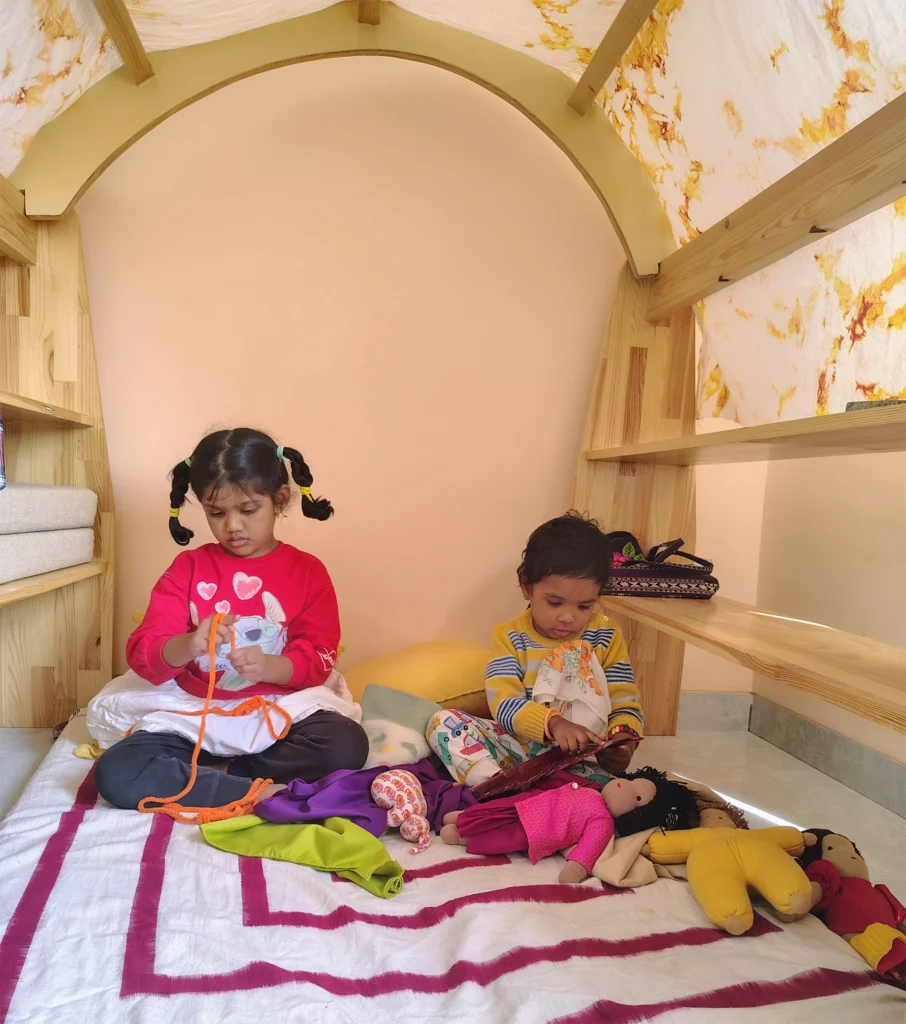
Unlike bright plastics or electronic toys, natural materials encourage children to slow down, notice subtle details, and respond with care. These materials engage the senses without overwhelming them. Their colours are muted rather than sharp, their textures are varied but not startling, and their sounds are soft rather than mechanical. This helps the child’s sensory system organise itself without overload.
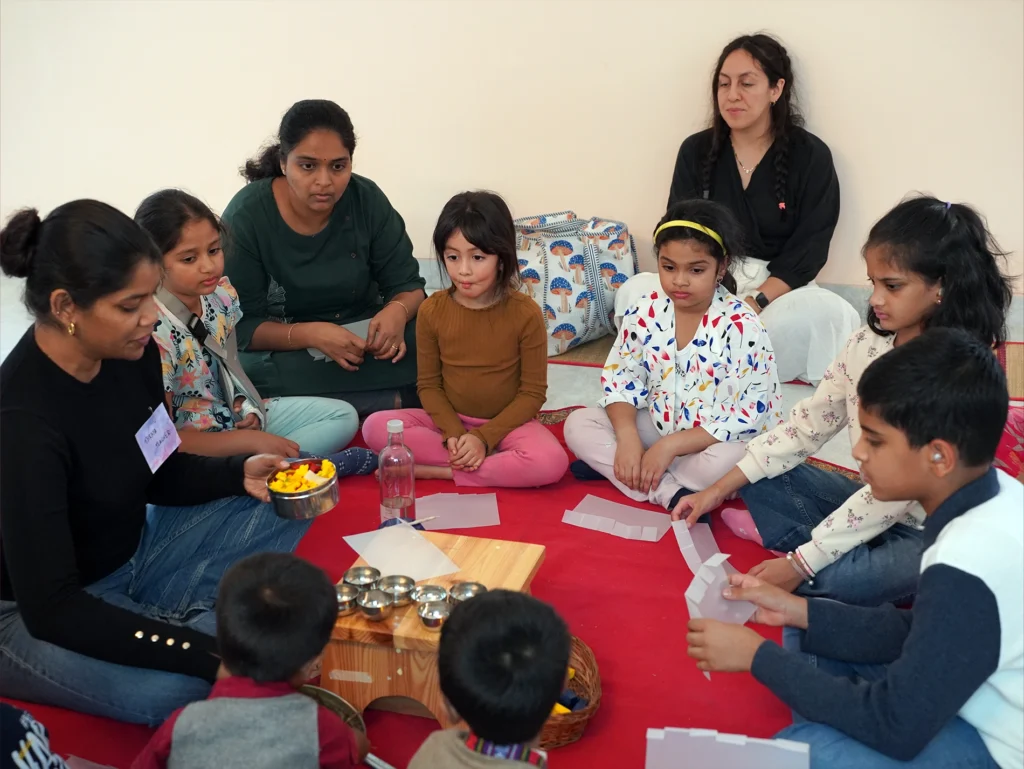
At Thraya, this means children are less likely to feel overstimulated or restless. They learn to discern textures, weights, and temperatures, noticing the difference between smooth and rough, heavy and light, warm and cool. Instead of jumping quickly from one object to another, children remain with an activity longer, absorbed and present. This steady sensory experience invites them into mindful exploration rather than hurried or distracted play.
Open-Ended Materials That Invite Imagination And Support Motor Development
At Thraya, we observe that creativity deepens when materials do not “do the work” for the child. Natural materials do not flash, speak, or direct play. Instead, they wait. This invites children to bring their own ideas, stories, and inner images into the play.
Natural materials like wood, wool, clay, stone, and fabric are inherently open-ended. A wooden block can become a bridge, a boat, or a house; a piece of wool can be a cozy animal, a river, or a mountain. Because these materials don’t prescribe a single way to be used, children find freedom to imagine, create, and explore. This kind of play encourages problem-solving, storytelling, and inventive thinking, allowing their creativity to flourish without limits.
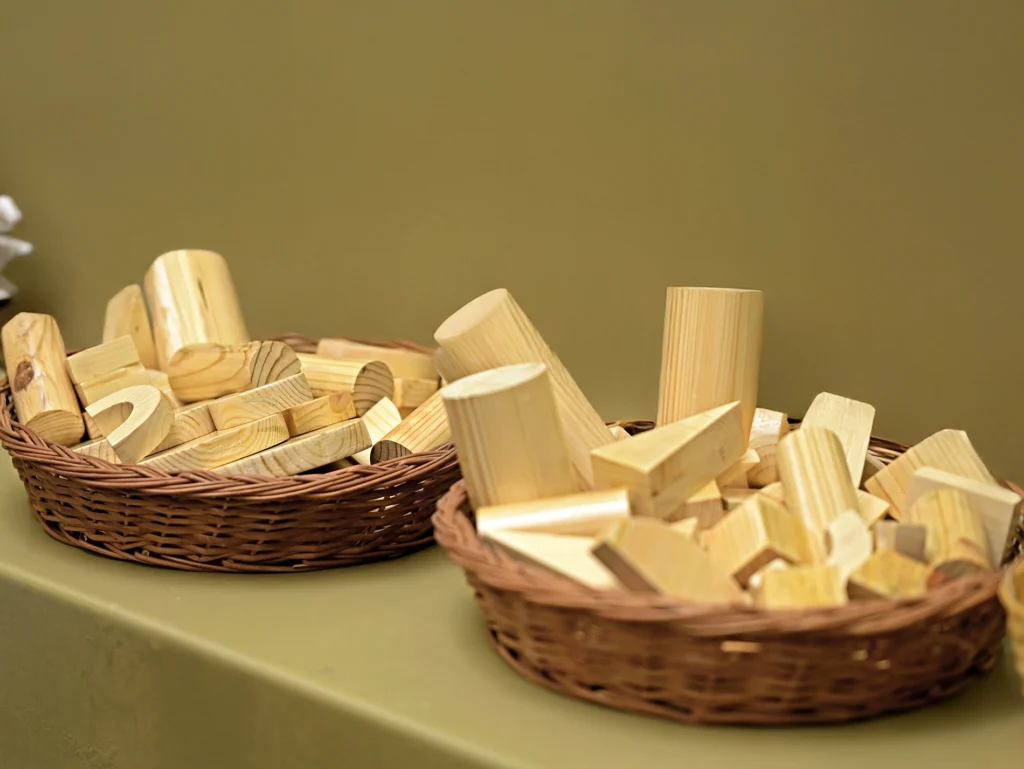
Furthermore, these materials have weight, texture, and resistance that help children develop both fine and gross motor skills. Lifting a wooden block, rolling clay, or threading wool requires strength, coordination, and control. These hands-on experiences strengthen muscles, improve hand-eye coordination, and refine dexterity that fosters skills to support writing, drawing, and other daily tasks. Unlike lightweight plastic toys, natural materials provide the right kind of challenge that helps the body grow in harmony with the mind.
The Emotional Aesthetic Of Natural Classrooms Feeling More Like Home
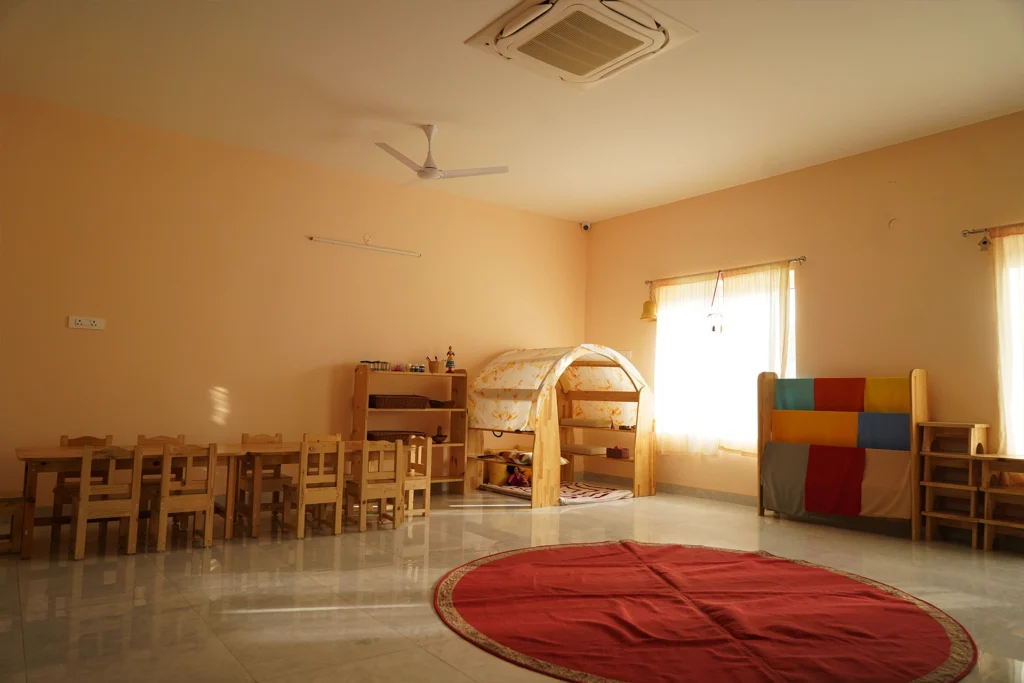
Thraya classrooms are filled with natural materials to create a warm, inviting atmosphere that feels nurturing rather than overstimulating. Contrary to the bright, synthetic materials, such surroundings support emotional steadiness, allowing children to engage in learning without distraction.
The muted, natural colors and gentle textures of the walls, toys and learning materials help children feel safe, calm, and comfortable, encouraging focus and relaxed exploration. Spaces are intentionally uncluttered, with each object having a clear purpose and a place where it belongs. This order and simplicity help children understand boundaries, develop a sense of responsibility, and bring a quiet clarity to their play. Classrooms with natural materials foster a sense of belonging and connection, helping children feel at ease while they discover, imagine, and create.
Teaching Stewardship Through Materials
In a Waldorf classroom, children learn to care for the materials they use. Wooden blocks, handwoven fabrics, and clay are treated with respect, cleaned, and returned to their place after use. This simple practice teaches responsibility, patience, and attentiveness, reinforcing the idea that everything has value and deserves care. By handling materials gently, children also develop fine motor skills and a tactile understanding of texture, weight, and balance. Over time, this sense of stewardship extends beyond the classroom, nurturing respect for people, objects, and the natural world.
What Parents Notice: A Shift in Play, Mood, and Attention
Parents often notice subtle but meaningful changes when children engage regularly with natural materials. Play becomes slower and more focused, with children exploring textures, shapes, and relationships between objects rather than rushing through activity.
Their attention span grows, and they show greater patience and care in interactions with both materials and peers. Many parents also observe calmer moods and fewer conflicts, as the sensory richness of natural objects provides a satisfying, grounding experience. In this way, the classroom environment itself, shaped by thoughtfully chosen materials, supports not only learning but also the child’s emotional well-being.