
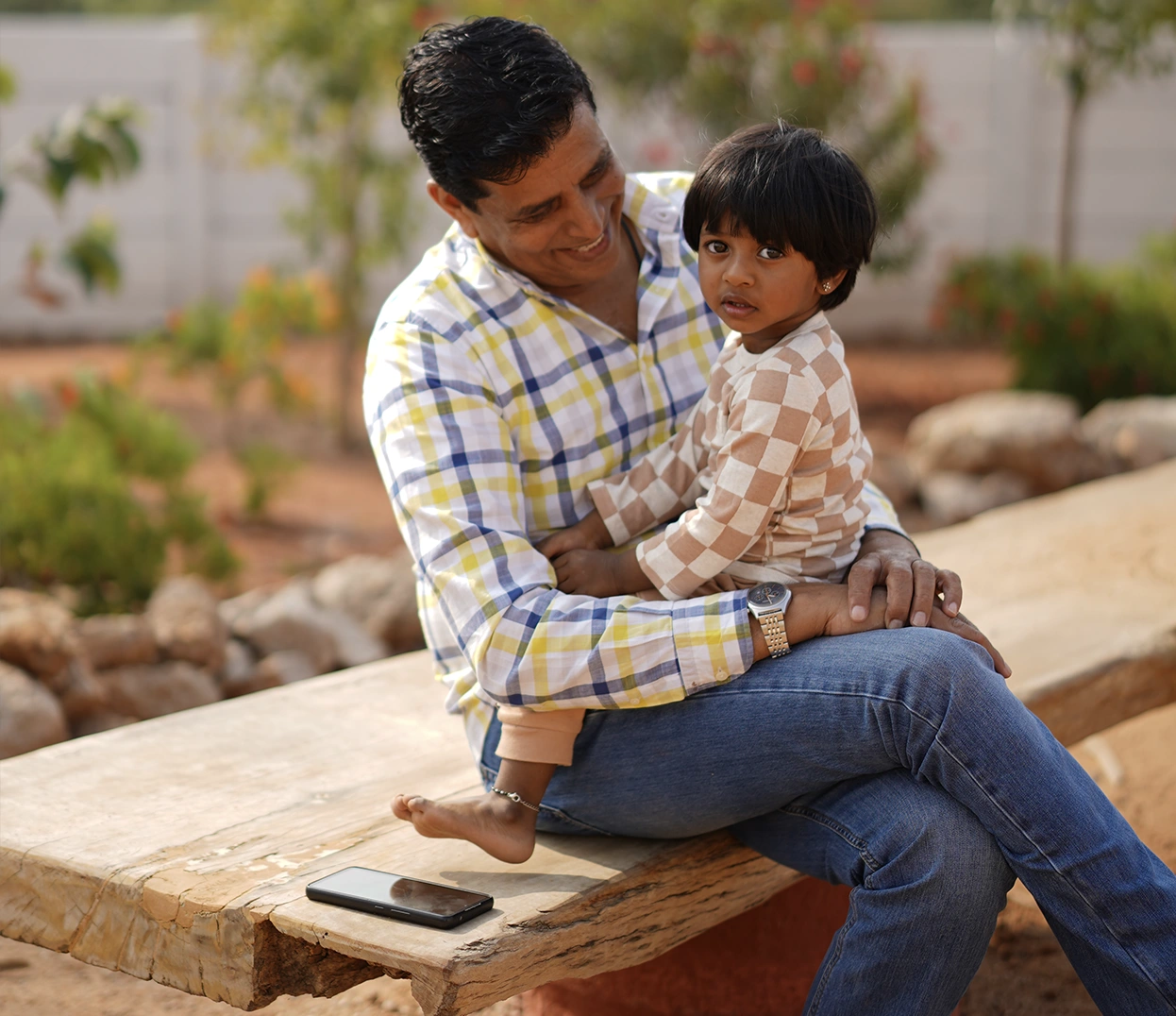
The first day of preschool is often harder on the heart than parents expect. A child who seemed excited the previous evening may suddenly cling tightly, cry at the classroom door, or refuse to let go at drop-off. At that moment, many parents are left feeling worried, guilty, or unsure if they are doing the right thing.
But first-day crying at preschool is very common. In fact, it is a natural response to a big change. Young children are stepping into a new environment, meeting unfamiliar adults and children, and separating from the people they feel safest with.
Crying does not mean a child is not ready for preschool. It usually means they are adjusting.
While tears at separation are normal, certain reactions from adults can unintentionally make the transition more difficult and prolong the distress. In such instances the most helpful thing parents can do during preschool drop-off is stay calm, confident, and consistent, even when the child is crying.
Why Children Cry On The First Day
For young children, preschool is often their first experience of being separated from the people and routines that feel most familiar to them. A new classroom, unfamiliar adults, different sounds, new expectations, and a change in routine can feel overwhelming all at once.
One of the biggest reasons children cry at drop-off is separation from parents. Even if they were excited about school before arriving, the moment of goodbye can suddenly feel very real. Children are still learning that a parent leaving is temporary and that they will return later.
Some children adapt quickly, while others need more reassurance and repetition before they feel comfortable. Some cry loudly or cling tightly to a parent. Others may become quiet, withdrawn, or refuse to participate. These are all common ways children express uncertainty during transitions.
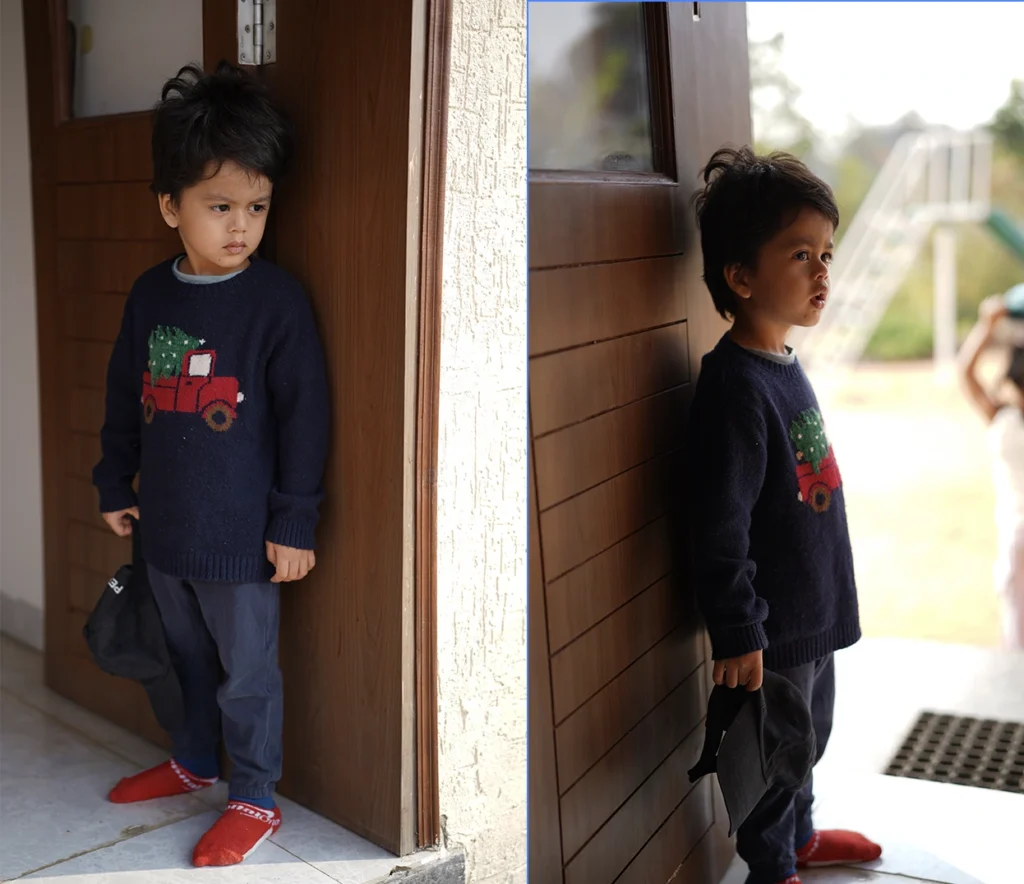
What Parents Can Do At Drop-Off
Children often pick up on emotional cues to understand how safe a situation is. Because of this, it is important for adults to approach drop-off with calmness, confidence, and consistency, even if the child is upset during that moment.
Some simple routines can make separation feel more predictable for children. This includes arriving a little early instead of rushing through the morning to create a calmer start to the day. It can also make a difference if the same parent or trusted adult handles drop-off during the first few days, since familiarity gives children a stronger sense of security.
Creating a small and predictable goodbye ritual also allows children to know what to expect. This could be a hug, a high-five, a goodbye phrase, or a wave at the classroom door. And once the goodbye is done, it is important to reassure the child once and leave confidently rather than getting into long explanations and repeated negotiations, which can sometimes make the separation harder and prolong the distress.
What Often Makes Drop-Off Harder
When a child is crying at drop-off, many reactions from parents come from a natural desire to comfort and protect them. But sometimes, certain responses can unintentionally make the separation more stressful and confusing for the child.
For example, sneaking away without saying goodbye may avoid tears in the moment, but it can leave children feeling confused or anxious when they realise their parents have disappeared. In the same way, repeatedly returning for “one last hug” can unintentionally prolong the distress because the separation keeps starting over again.
Children also take emotional cues from adults very quickly. When parents appear anxious, guilty, or uncertain during drop-off, children often sense that something is wrong or unsafe. Similarly, bribing children with rewards or threatening consequences can shift the focus away from helping them feel emotionally secure.
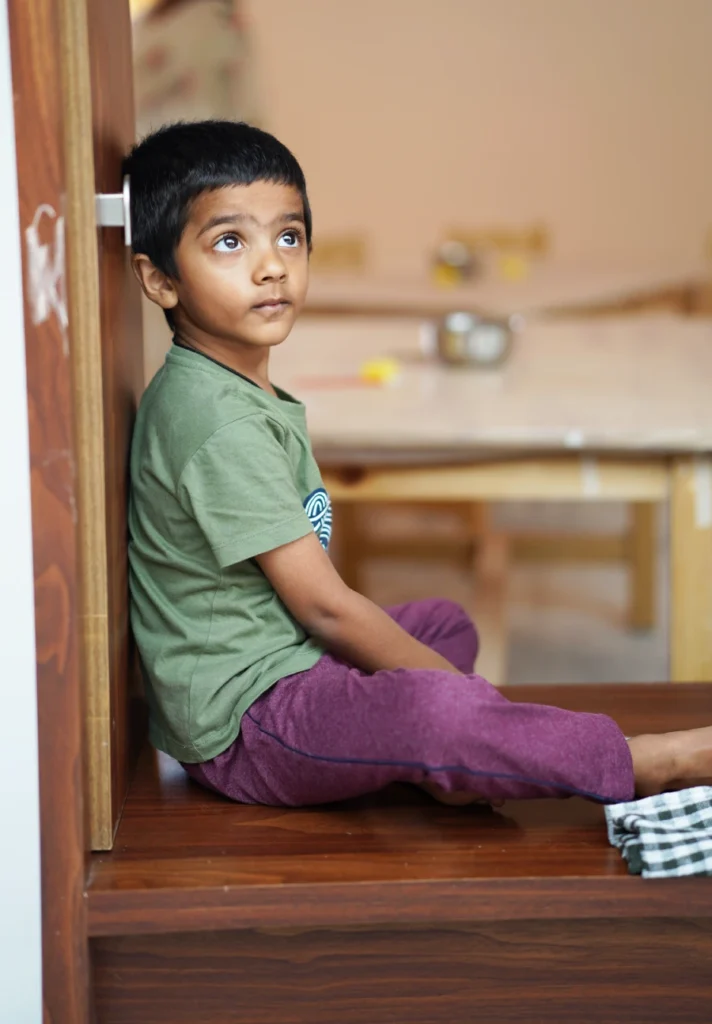
How Long Does Preschool Drop-Off Crying Last?
For many children, preschool drop-off crying improves within a few days or weeks as the routine starts to feel more familiar. In fact, many children calm down shortly after their parents leave and become comfortable once they join an activity, interact with teachers, or settle into the classroom environment.
At the same time, every child adjusts differently. Some children settle quickly, while others may need more time, reassurance, and repetition before they feel secure during separation. This is a normal part of the adjustment process.
However, if a child continues to show intense distress for a long period, regularly refuses school, or struggles to settle even after several weeks, it can help to speak with the teachers or school staff. Working together often makes it easier to understand what the child may need and how the transition can be supported more smoothly.