
One of the first questions many parents ask while choosing a school is, “Will my child get homework?” For many families, homework feels like a normal part of school. It can feel reassuring. A worksheet in the bag often looks like proof that learning is happening. So when young children come home without homework, some parents naturally begin to worry.
It is a valid concern that without homework children will fall behind, topics will not get reinforced, and other children who are doing homework will have an edge. But more homework does not always mean more learning. In fact, young children learn best in ways that look very different from formal academic work.
At Thraya School, we intentionally keep the after school time free from homework because young children need time after school to rest, play, connect with family, and take part in simple daily life at home. The truth is that homework damages learning and brings stress, pressure, fatigue with it.

Homework Is Often Mistaken for Learning
One of the biggest misconceptions around homework is that repetition automatically leads to learning. A completed worksheet or repeated spellings can look reassuring because the learning is visible. Many parents see homework as proof that concepts are being reinforced and that children are staying academically on track.
At the same time, many families also experience homework as a daily task waiting at the end of an already tiring day. A worksheet to finish, spellings to practise, or a page of sums to complete can slowly turn evenings into stressful routines for both children and parents.
While this pressure may appear harmless in the beginning, its effects on a young child’s relationship with learning can be deeper than we realise. Research on early academic pressure shows that too much formal work at a young age can reduce curiosity and motivation over time.
A child who dreads sitting down to study at age six is unlikely to grow into a child who genuinely enjoys learning at age twelve. In contrast, children who remain curious and emotionally connected to learning often become more self-motivated learners as they grow older.
The Waldorf approach to homework
As a Waldorf-inspired school, at Thraya, we believe that when a concept is introduced meaningfully in the classroom, it stays with the child. It does not need to be repeated again through worksheets or extra tasks at home. More work after school does not necessarily deepen learning. Often, it only leaves children feeling tired, overwhelmed, or anxious about school itself. Children learn best when they are rested, emotionally secure, and genuinely ready to engage.
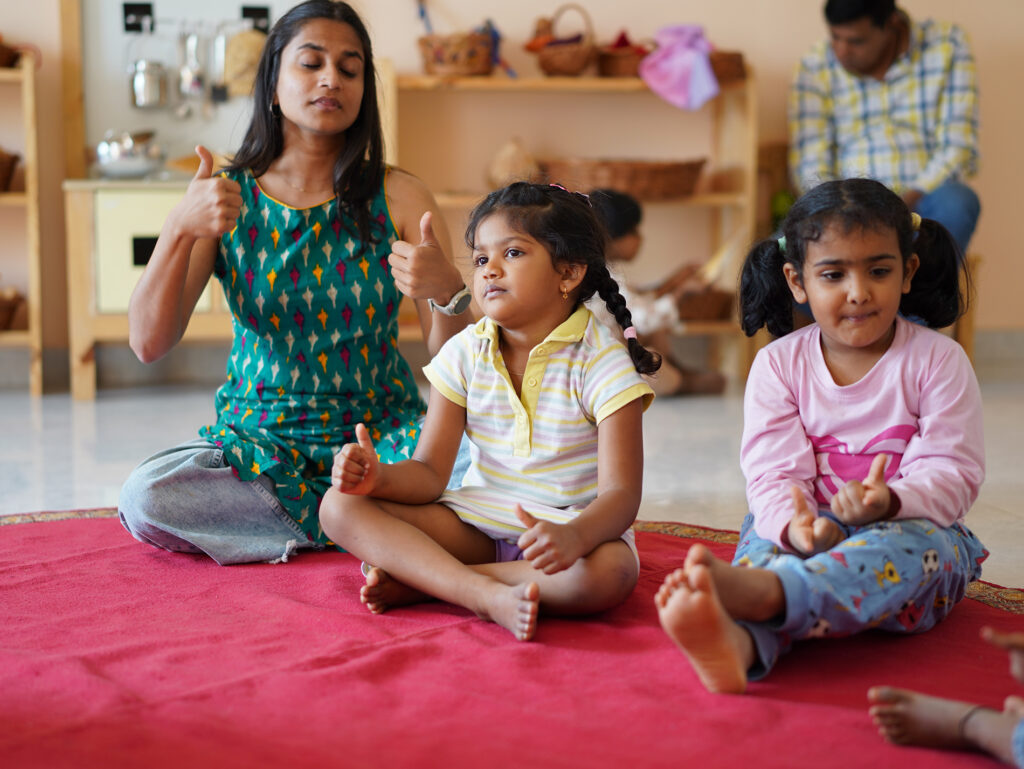
In Waldorf education, repetition and practice are already woven naturally into the learning process at school. In the kindergarten years, children revisit songs, stories, verses, and activities over several weeks, giving them enough time to learn and connect with the experience.
In the grade school years too, subjects are often taught through a three-day rhythm. A concept introduced on the first day is revisited over the next few days through recall and reflection in the form of artistic work, writing, and project-based expression, allowing learning to settle gradually.
Through this lens, Thraya School remains largely a no-homework school in Hyderabad, approaching homework thoughtfully and in an age-appropriate way, not as pressure or obligation, but as meaningful participation.
Homework Looks Different at Different Ages
At Thraya School, our age-appropriate approach to education inspires us to look closely at the relevance and purpose of homework at every stage of childhood. Like every other aspect of the curriculum, homework cannot look the same across all ages because children’s developmental needs change as they grow.
In the early years, we believe that formal daily homework is not needed. In the primary grades (Grades 1–4), homework is introduced very gently through light reading, spelling practice, or simple creative activities connected to classroom learning.
In the middle grades (Grades 5–6), children slowly begin taking on more independent practice and responsibility through reading, written work, small projects, and reinforcement through meaningful experiences.
From Grades 7–12, homework becomes more regular and purposeful, focusing on research, reflection, independent thinking, and creative or project-based work rather than repetitive tasks.
At every stage, however, homework should never come at the cost of a child’s rest, free time, family connection, or participation in the daily chores of home life.
Support Learning at Home (Without Homework)
A school day is already long for a child below ten years of age. Throughout the day, children are listening, moving, participating, managing emotions, engaging with others, and making sense of experiences that are still new to them. By the time they return home, their minds and bodies have already done a full day’s work.
Young children do not need parents to become homework supervisors after school. More than extra academic practice, they need connection, rhythm, rest, and a home environment where learning continues naturally through living.
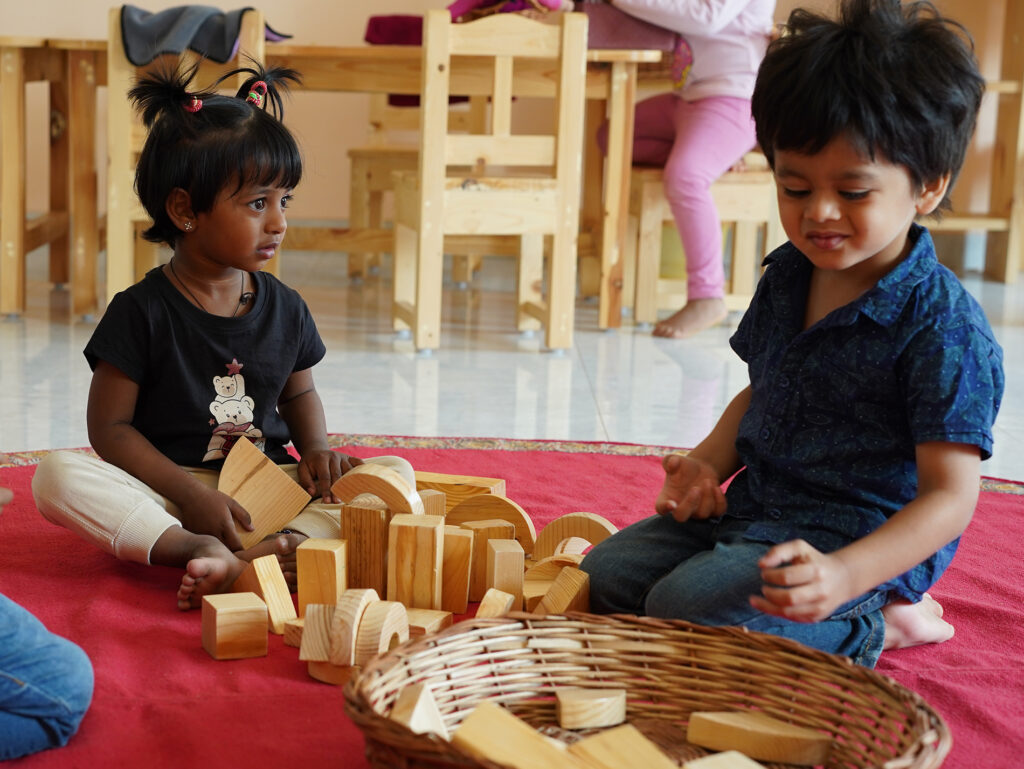
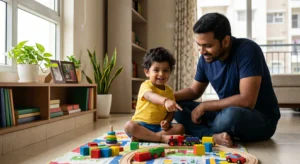
Families can support this through everyday life by simply allowing children to listen to stories, help in the kitchen, water plants, play outdoors, talk during meals, care for younger siblings, or spend unhurried time together. These simple experiences support a child’s emotional security, confidence, language, creativity, and connection to the world around them.
A healthy childhood needs space beyond academics. When children are given pressure-free time at home, they grow not only into better learners, but also into happier, more balanced human beings.