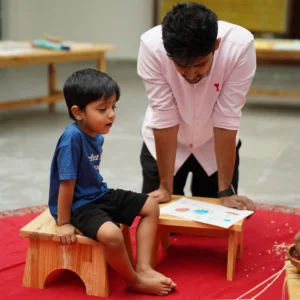

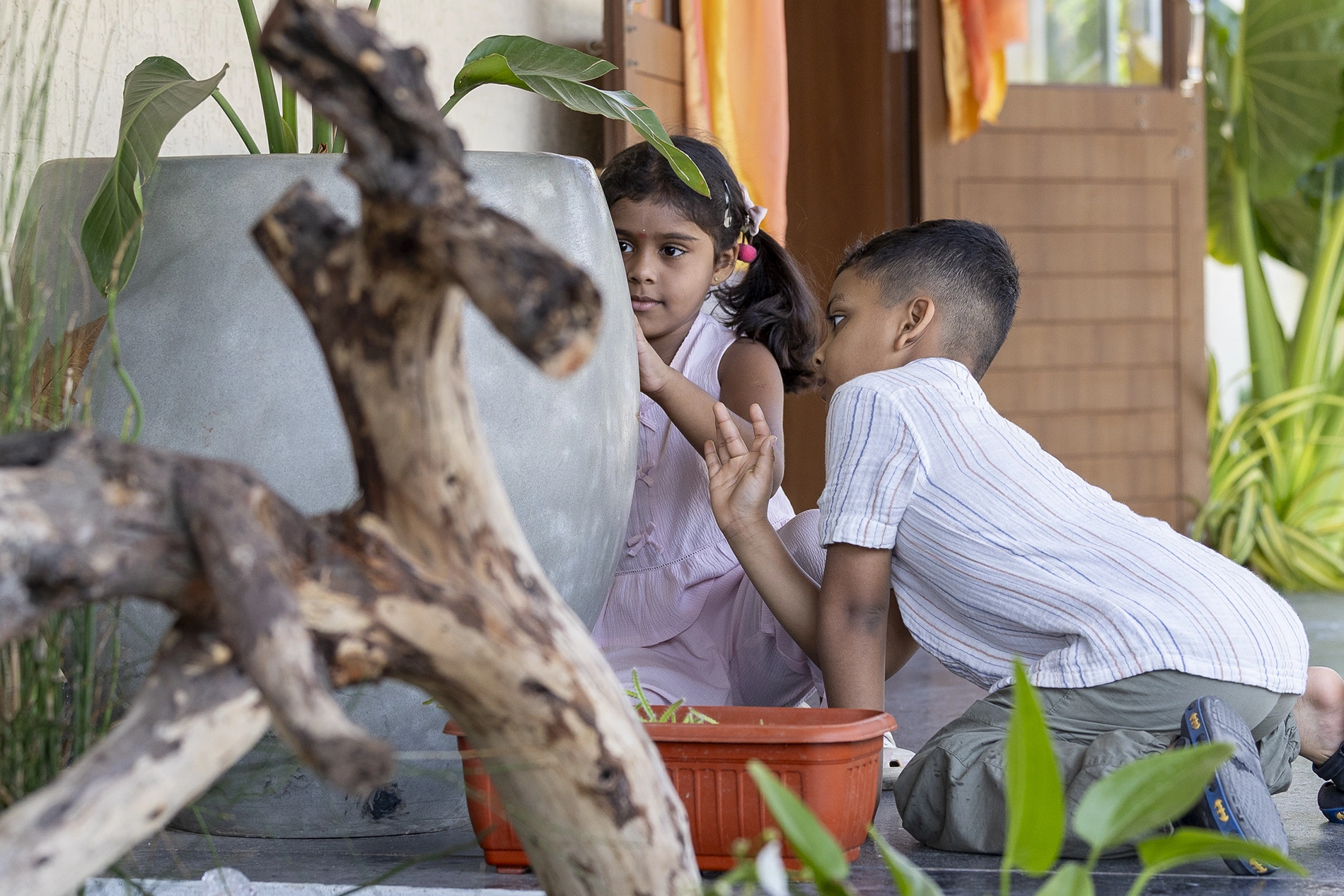
Choosing a kindergarten is one of the first major educational decisions parents make, and for many families, the options can feel overwhelming. A quick search for a kindergarten near Gachibowli, Kokapet, Mokila, Narsingi, or the Financial District often brings up dozens of schools, each promising a nurturing environment, experienced teachers, and a strong foundation for learning.
While websites and brochures can provide useful information, a campus visit often reveals much more. The way teachers interact with children, how the spaces are used, and the everyday rhythm of the school can tell a very different story from what appears on paper.
Knowing what questions to ask can help parents move beyond facilities and marketing claims to better understand what daily life in the school actually looks like. The following questions can serve as a practical guide during a campus visit and help families make a more informed decision.
1. How Many Children Are There in Each Class?
Class size influences how children experience the day, but bigger is not always worse and smaller is not always better. Rather than focusing only on the ratio, it is worth understanding how the classroom functions. Are children known well by their teachers? Do they have opportunities to form relationships with their peers? Is there a healthy balance between adult guidance and child-led interaction? The answer often reveals more than the ratio itself. A classroom should provide enough adult support while still allowing children opportunities to build relationships, solve problems, and develop social skills naturally.
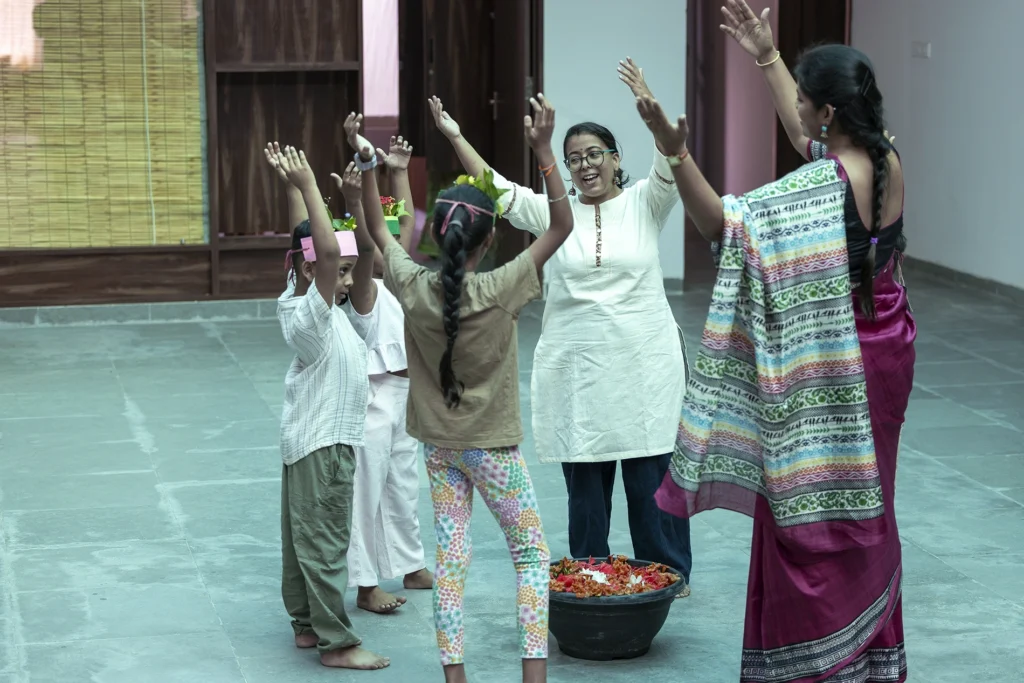
2. What Does a Typical Day Look Like?
Children spend a significant part of their day at school, so it is worth understanding how those hours are spent. It can be helpful to ask the school to describe a typical day from arrival to pick-up. How much time is given to play, outdoor experiences, stories, meals, rest, and structured learning? Are children able to engage deeply with activities, or does the day move quickly from one task to the next? The way a school structures its day often says a great deal about what it truly values and whether the pace of the day is aligned with the needs of young children.
3. How Does the School Support Settling In?
Starting school is a significant transition, and children adjust to it in different ways. Some settle in quickly, while others need more time and support. It can be helpful to understand how the school approaches this process. Is there a gradual settling-in period? How are children supported when they experience separation anxiety, hesitation, or difficulty adjusting to the new environment? The school’s approach to settling-in often reflects its broader understanding of childhood and its ability to respond to children with patience, flexibility, and care.
4. How Are the Facilities Used?
Many schools showcase impressive facilities, from libraries and art rooms to gardens, playgrounds, and activity spaces. However, the presence of these facilities is only part of the picture. It is equally important to understand how often children actually use them. Are these spaces part of the daily or weekly rhythm, or are they used only occasionally? Understanding how facilities are integrated into everyday school life can help parents distinguish between what is available on campus and what children regularly experience.
5. How Often Do Children Spend Outdoors?
Outdoor play is an essential part of childhood, not an occasional activity or a reward after classroom work. When visiting a school, it is worth asking how often children go outdoors during a typical day or week. Whether outdoor time is a regular part of every day, or is it limited to certain days, special activities, or when time permits? The frequency of outdoor play can offer valuable insight into the school’s priorities and the importance it places on movement, exploration, and learning beyond the classroom walls.

6. How Are Meals and Snacks Managed?
Mealtimes are an important part of a young child’s day and offer opportunities for children to develop independence, social skills, and healthy habits. It can be helpful to understand how meals and snacks are organised. Do children bring food from home or is it provided by the school? How much time is given for eating? Are children encouraged to eat independently, and how are selective eating habits handled? A school’s approach to mealtimes can provide valuable insight into its daily culture, and the value it places on developing healthy habits and independence.
More from Thraya
7. How Stable Is the Teaching Team?
Teachers play a central role in a child’s experience of school, particularly in the early years when relationships and consistency are so important. While qualifications and training matter, it is equally important to understand how long teachers typically stay with the school, and how the school manages unexpected staff changes. If a teacher is unwell, takes leave, or moves on, what systems are in place to ensure continuity for the children? No school can completely avoid changes in staffing, but a well-prepared school will have thoughtful processes in place to support children through transitions and minimise disruption to their experience.
8. How Does the School Share a Child’s Growth and Progress?
Understanding a young child’s progress requires more than occasional updates or reports. It can be helpful to ask how the school observes children and what aspects of development are shared with families. Does the feedback focus only on academic skills, or includes social development, emotional wellbeing, independence, participation, and emerging strengths? Meaningful communication is often built on observations gathered over time rather than isolated incidents. The school’s approach can offer a good sense of how well it understands each child and how comprehensively it views their growth and development.
9. What Is the Approach to Homework and Learning at Home?
The expectations placed on children outside school can vary considerably from one school to another. It is worth understanding whether children are sent home with worksheets, assignments, projects, or other forms of work, and what level of involvement is expected from parents. This helps parents get a clear sense of how learning is balanced between the classroom and home, and whether the expectations feel realistic and manageable for everyday family life.

10. What Is the School’s Policy on Screens and Technology?
Technology is becoming an increasingly common part of children’s environments, so it is important to understand how it is used within the classroom. It can be helpful to ask whether screens are part of daily learning, used occasionally for specific purposes, or avoided altogether in early childhood settings.
This gives parents clarity on how the school views technology in children’s everyday experience and whether its use aligns with their own expectations for young learners.
11. How Is Safety Monitored and Managed?
Safety is a key concern during any campus visit, and it helps to understand how it is managed in everyday practice rather than only in policy. This includes how staff are verified and supervised, and how children are monitored across classrooms, outdoor spaces, and shared areas. It is also useful to ask about CCTV usage whether a recorded backup is maintained. These details give a clearer sense of how securely children are supported during the day.
12. What Happens When a Child Needs Extra Support?
Children may need additional support at different points in their development, whether related to learning, attention, behaviour, or emotional adjustment. It is important to understand how the school responds in such situations. It can be helpful to ask whether trained special educators or counselors are available, and whether external professionals are involved when required. This gives clarity on how inclusion is managed in practice and what responsibility lies with the school versus the family.