
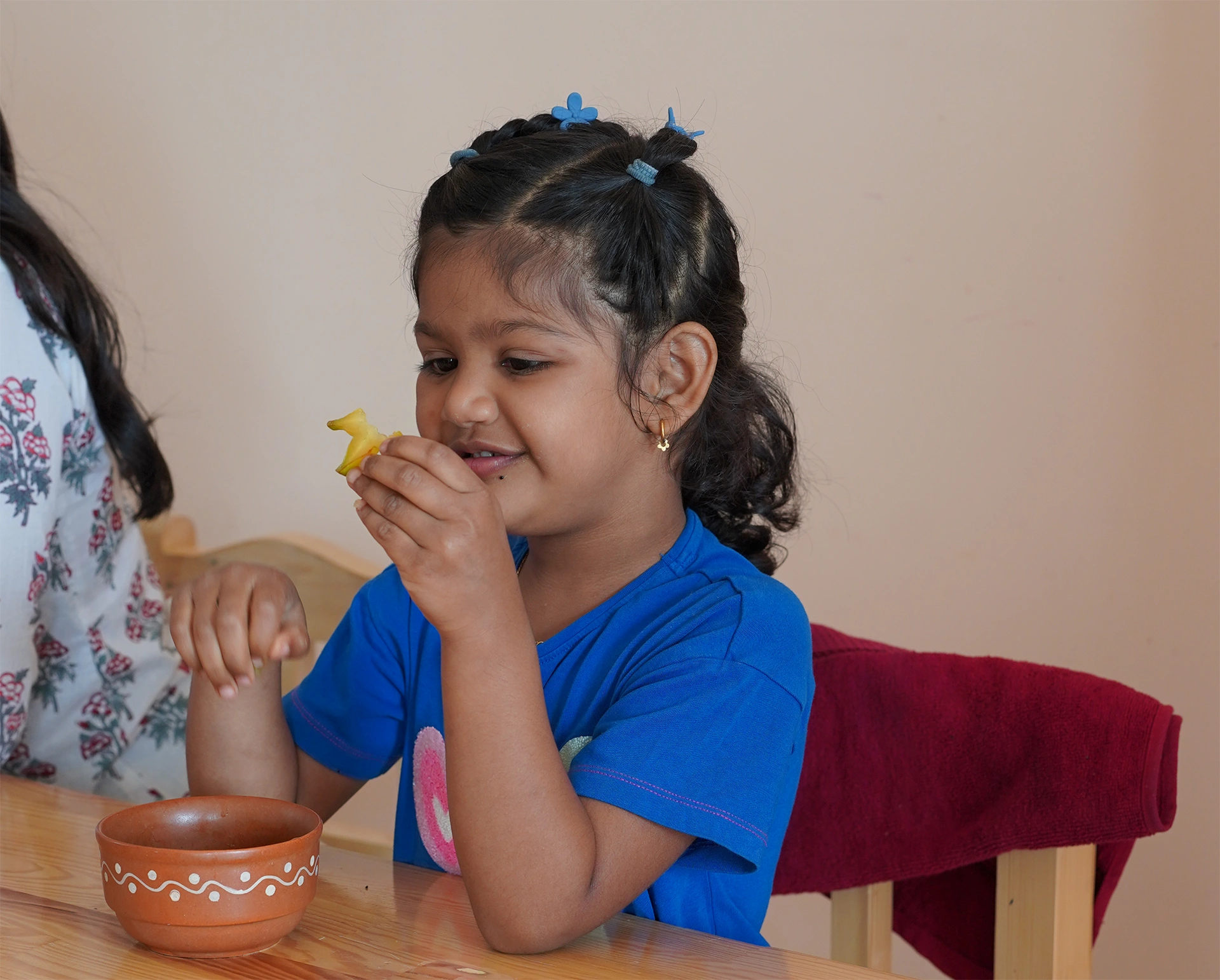
Food is so much more than finishing what is on a plate.
In the early years, it becomes a child’s first introduction to colours, fragrances, textures, seasons, family traditions, and togetherness. A shared meal is not only nourishing the body; it is also shaping memories, preferences, and habits that can stay with a child for years to come.
As adults, it is natural to wonder whether a child is eating enough or choosing the right foods. But perhaps there is another question worth asking: How does a child feel about food?
When meals are peaceful, unhurried, and shared with warmth, children begin to experience food with security, joy, and belonging.
A Child Experiences Food Through the Senses
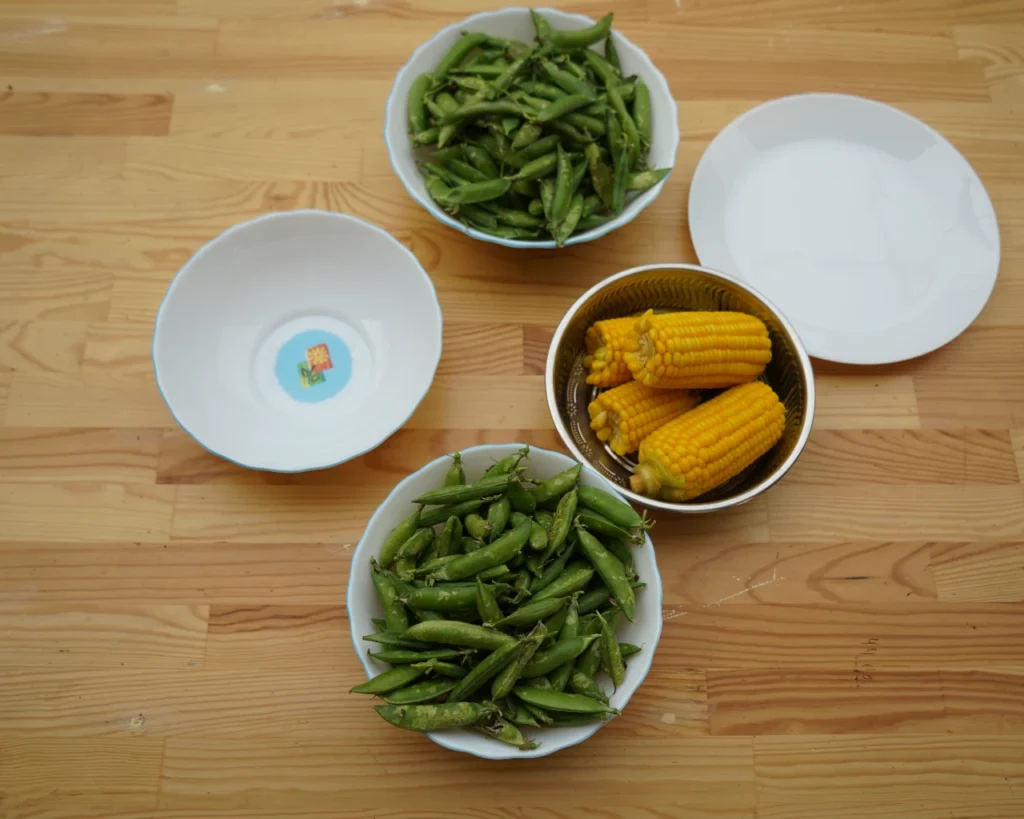
Before a child decides whether they like a food, they first experience it through their senses.
The crispness of a cucumber, the sweetness of a ripe mango, the earthy fragrance of a potato, or the tiny crunch of pomegranate seeds — each of these sensory experiences becomes part of how a child discovers food.
The more varied these experiences are during early childhood, the more naturally children become comfortable with different tastes, aromas, and textures. Being exposed to this variety helps children gradually become comfortable with foods that may initially feel unfamiliar.
A child may not enjoy a particular food the first time, and that is perfectly natural. Sometimes, all that is needed is the opportunity to meet it again, without pressure. Through gentle and repeated experiences, what was once unfamiliar can slowly become something known and enjoyed.
Our Preferences Become Theirs
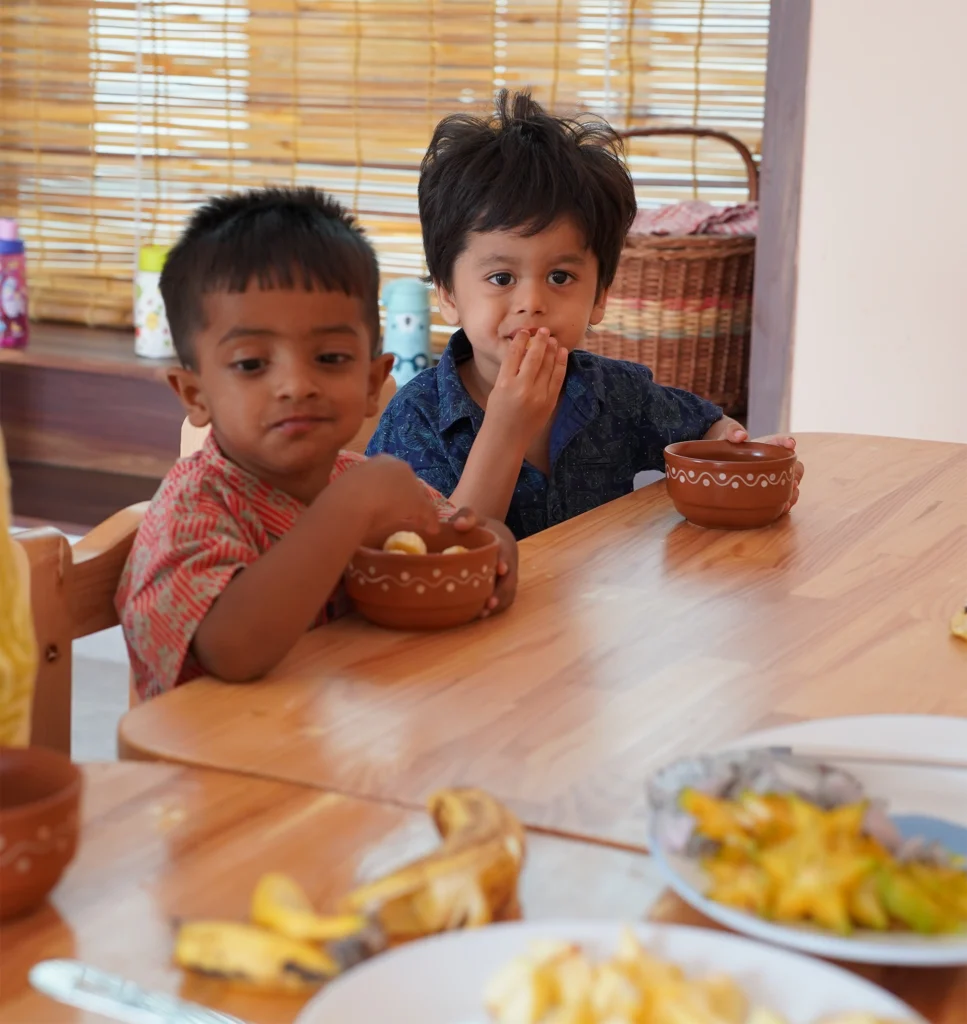
Young children learn most powerfully through imitation. They notice what the adults around them eat, enjoy, avoid, and even how they speak about food.
Sometimes, a fruit or vegetable that a parent does not enjoy quietly disappears from the family table. At other times, children hear that something is “too bitter” or “not tasty” before they have had a chance to discover it for themselves. Without intending to, adults can pass on their own food preferences.
Every child, however, deserves the opportunity to discover food through their own senses. A food that one person dislikes may become another person’s favourite. When children are offered a variety of foods without adult preferences being placed on them, they can slowly discover what they enjoy for themselves.
This is not about making children eat everything. It is about leaving room for discovery — allowing their relationship with food to grow from their own experiences, rather than being shaped entirely by the preferences of the adults around them.
Curiosity Before Choice
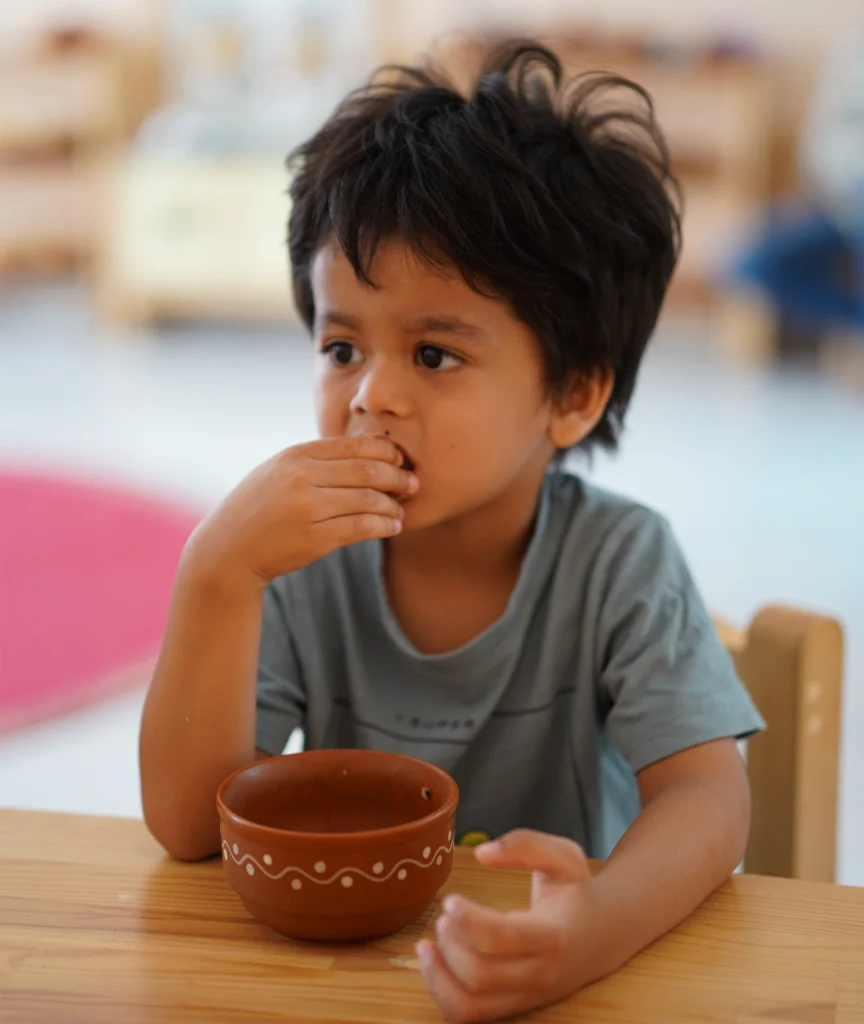
Rather than asking children to finish everything on their plate, mealtimes become cherished when they begin with an invitation to notice. The colour of a beetroot, the fragrance of fresh mint, the softness of a ripe banana, or the crunch of a carrot can all become little moments of discovery.
The relationship with food begins even before children sit down to eat. It grows through the simple experiences of being around food — washing vegetables, kneading dough, stirring batter, shelling peas, or arranging fruit for the table. These moments allow children to see, touch, smell, and engage with the food in their everyday surroundings.
When children are given the time and space to explore, they can approach food with curiosity before deciding whether they like it.
The Gift of Gentle Rhythms
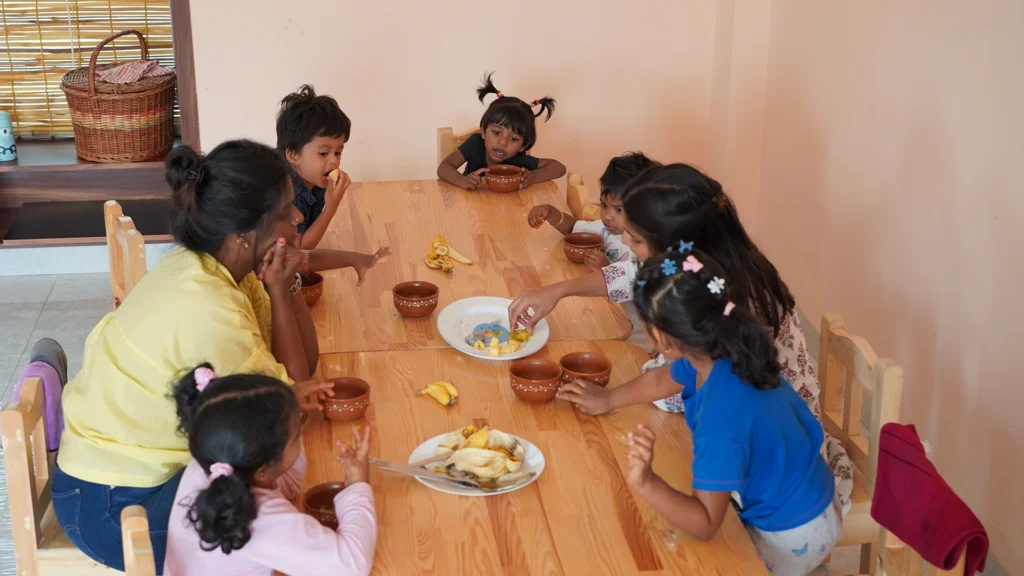
Mealtimes do not need to become a space for negotiation, rewards, or pressure. Healthy eating habits take shape slowly through consistency, loving example, and patient repetition. Children learn not only from what is placed on the table, but from everything that surrounds a meal — the rhythm of sitting together, the care that goes into preparing food, the act of sharing, and a quiet gratitude for the food that nourishes the body.
When children have regular and predictable mealtimes, wholesome food prepared with care, and an atmosphere free from pressure they gradually begin to recognise their own hunger and fullness.
In this way, the experience of food reaches beyond what is on the plate. A healthy relationship with food grows slowly, through the ordinary moments of eating, sharing, noticing, and being together.