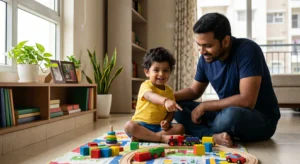

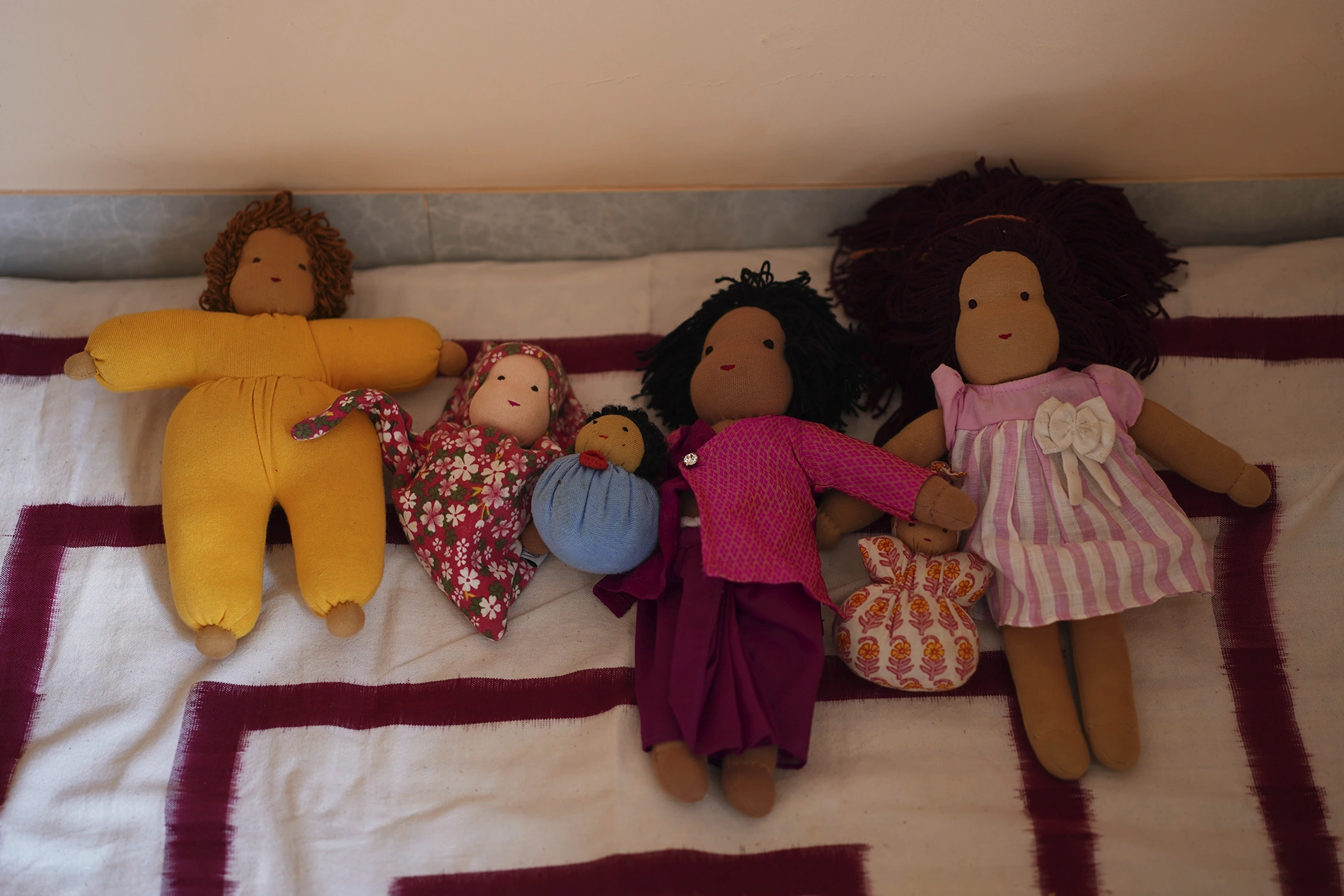
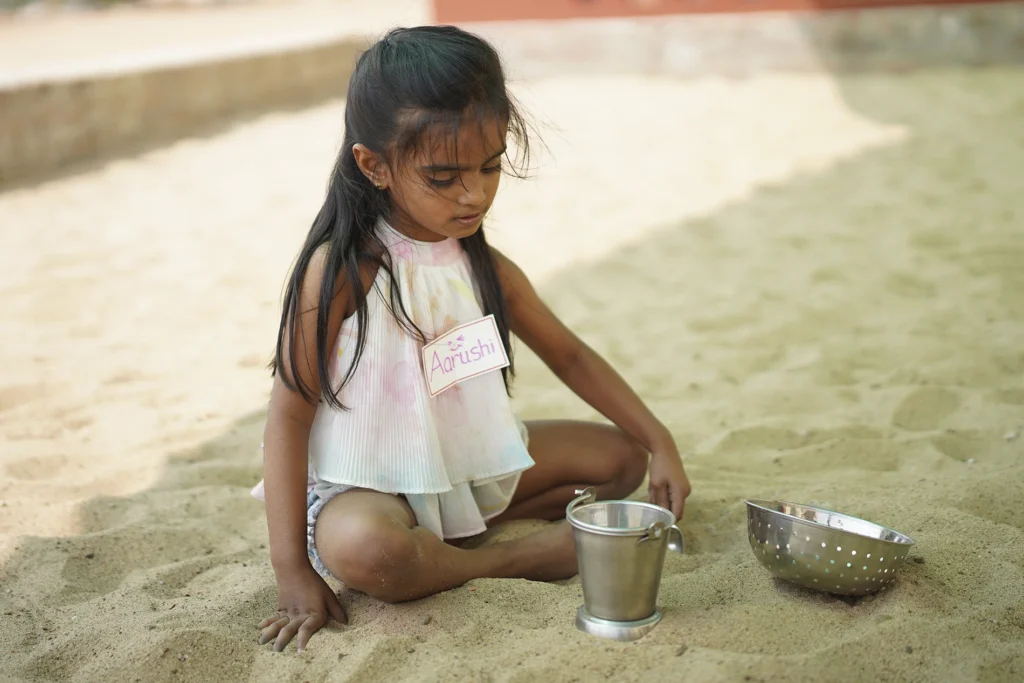
Many children today have shelves full of battery-operated toys, yet parents still hear the familiar phrase, “I’m bored.” At the same time, the very same child may spend an hour stirring imaginary food in a bowl, carrying a basket around the house, building a fort with dupattas, digging in the garden, or creating elaborate games with sticks, stones, and leaves.
This raises an interesting question. If toys are designed to entertain children, why do ordinary household objects and natural materials often hold their attention for much longer?
The answer lies not in how much a toy can do, but in how much it allows the child to do. The toys and materials that engage children most deeply are often the ones that leave room for imagination, creativity, and participation. Understanding this difference can help parents make more thoughtful choices about the toys they bring into their homes.
Why Battery Toys Lose Their Appeal So Quickly
Battery-operated toys are designed to capture a child’s attention immediately. They light up, play music, move, talk, or respond at the press of a button. While this can be exciting at first, the excitement often fades surprisingly quickly.
The reason is simple: the toy is doing most of the work. The child’s role is often limited to watching, pressing buttons, and reacting. Once the child has explored all the toy’s features, there is very little left to discover. The play remains largely the same every time, which is why many battery-operated toys are often abandoned after the initial excitement wears off.
Why Children Return to Open-Ended Toys Again and Again
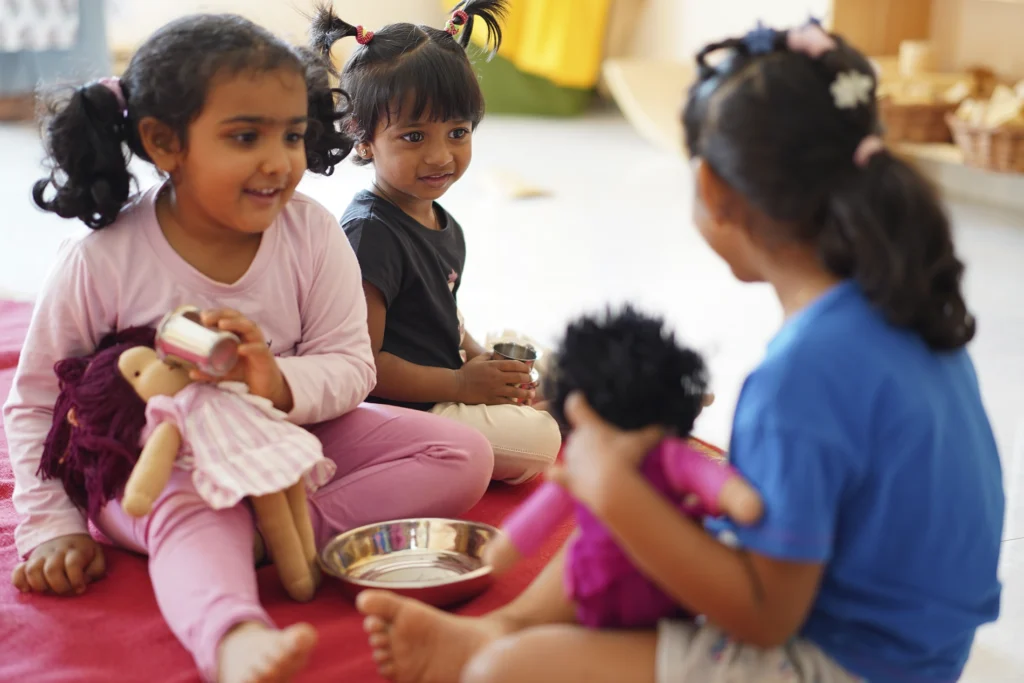
Open-ended toys offer a very different experience. A set of wooden blocks, a basket, a piece of cloth, or a cardboard box can be used in countless ways. Because these materials do not come with a fixed purpose, the child is free to decide what they become.
What keeps children engaged is that the play evolves as they grow. The same blocks that become a train today may become a village next week and a castle a month later. The toy remains the same, but the child’s ideas continue to change and develop.
This is also why children are naturally drawn to ordinary household objects and natural materials. They offer possibilities rather than instructions.
Open-Ended Toys Often Lead to Less Fighting
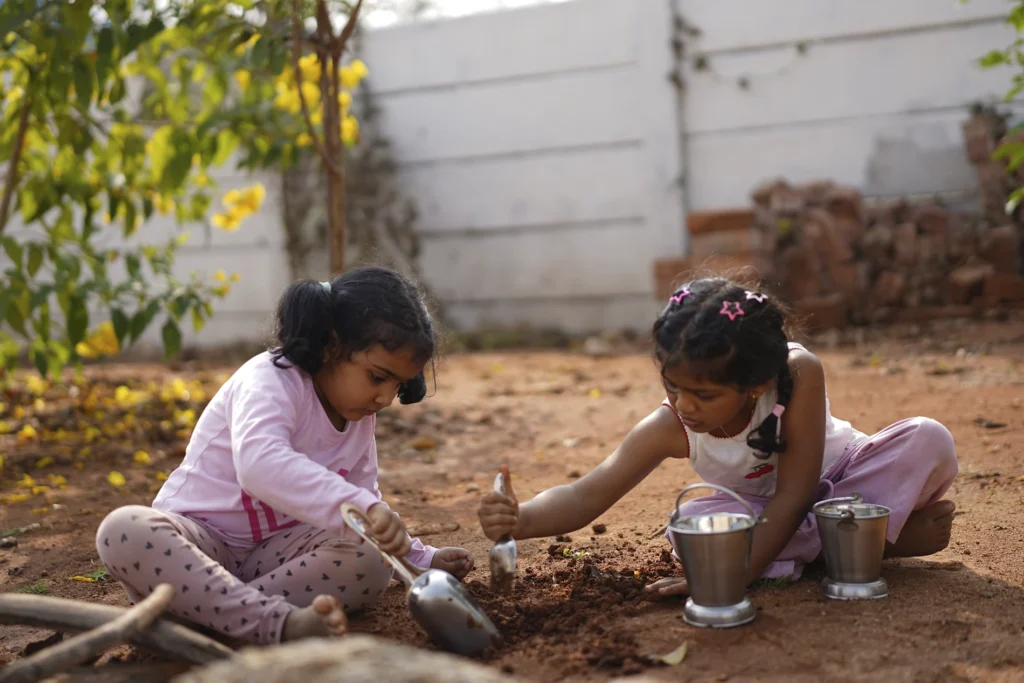
Parents are often surprised to find that simpler toys can also lead to fewer conflicts between children. One reason is that open-ended toys do not have a single “correct” way to be used. Several children can play with the same set of blocks, cloths, or natural materials while each contributing their own ideas to the game.
In contrast, many battery-operated or highly specific toys are designed for one particular purpose. There is often one button to press, one vehicle to control, or one way to play. This can easily create competition over who gets to use the toy.
Open-ended materials naturally encourage collaboration. Children build together, create stories together, and negotiate roles within their play. Because the play comes from the children rather than the toy itself, there is often more room for sharing, cooperation, and imagination, and less need to compete for control.
Choosing Better Toys Without Buying More
Creating a more imaginative play environment does not mean replacing every plastic toy in the house or buying an entirely new set of open ended toys. In fact, children often benefit more from having fewer toys than having more.
A useful place to begin is by observing what the child naturally returns to. Which toys lead to long periods of play? Which ones are forgotten after a few days? The answer is often revealing.
Many families find that reducing toy clutter, rotating toys, and making a few open-ended materials easily accessible can transform the quality of play. A basket of blocks, some cloth pieces, art materials, natural treasures from outdoors, or simple household objects can often inspire more creativity than a room full of toys with fixed functions.
The goal is not to create the perfect toy collection. It is to provide materials that leave enough space for a child’s imagination to take the lead.